
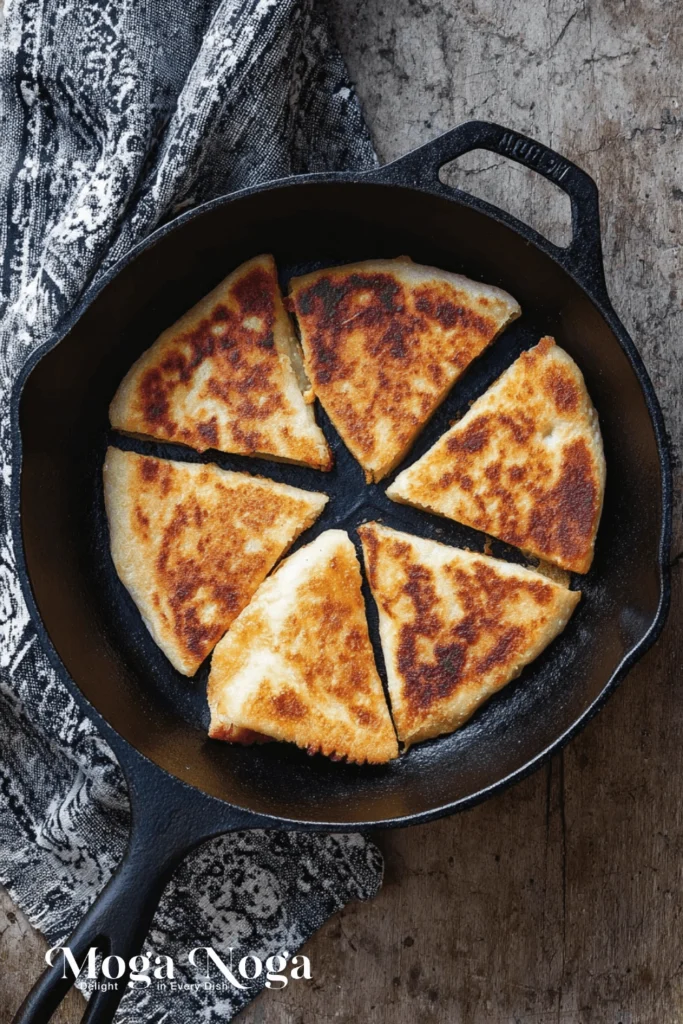
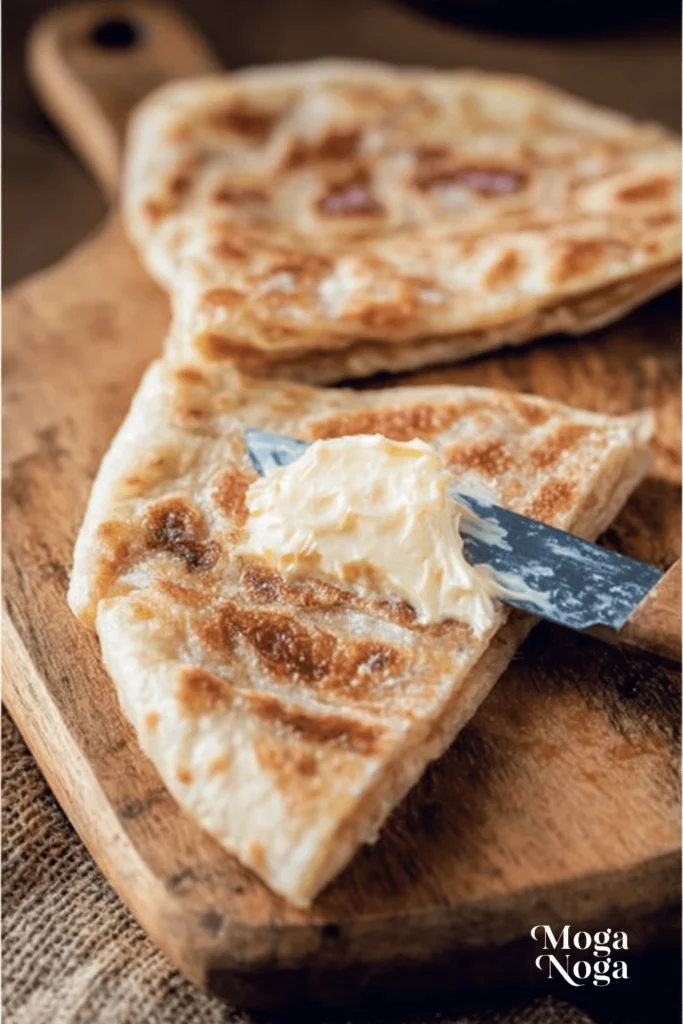
Irish Potato Farls are the golden, pan-fried secret your mornings have been missing. Born from leftovers but rich in flavor, they’re crisp outside, soft inside, and irresistibly cozy. One bite and you’ll want them on repeat.
Table of Contents
Why You’ll Love This Recipe
If you’ve never tried Irish Potato Farls, you’re in for a treat. And if you already love them, here’s why this version is about to become your go-to:
- Simple Pantry Ingredients: You likely have everything on hand—no need for a grocery run.
- Budget-Friendly: Stretching leftover mashed potatoes into something amazing is economical and clever.
- Quick to Cook: Just a few minutes on the griddle or skillet, and breakfast (or snack time) is sorted.
- Customizable: Serve them plain, with butter, or as part of a hearty fry-up.
- Comforting and Nostalgic: This dish brings old-world comfort with every bite.
They’re ideal for slow weekend mornings or quick weekday indulgences. And the best part? They’re endlessly versatile and deeply satisfying.
Detailed Ingredients and Instructions
Ingredients
For the Dough:
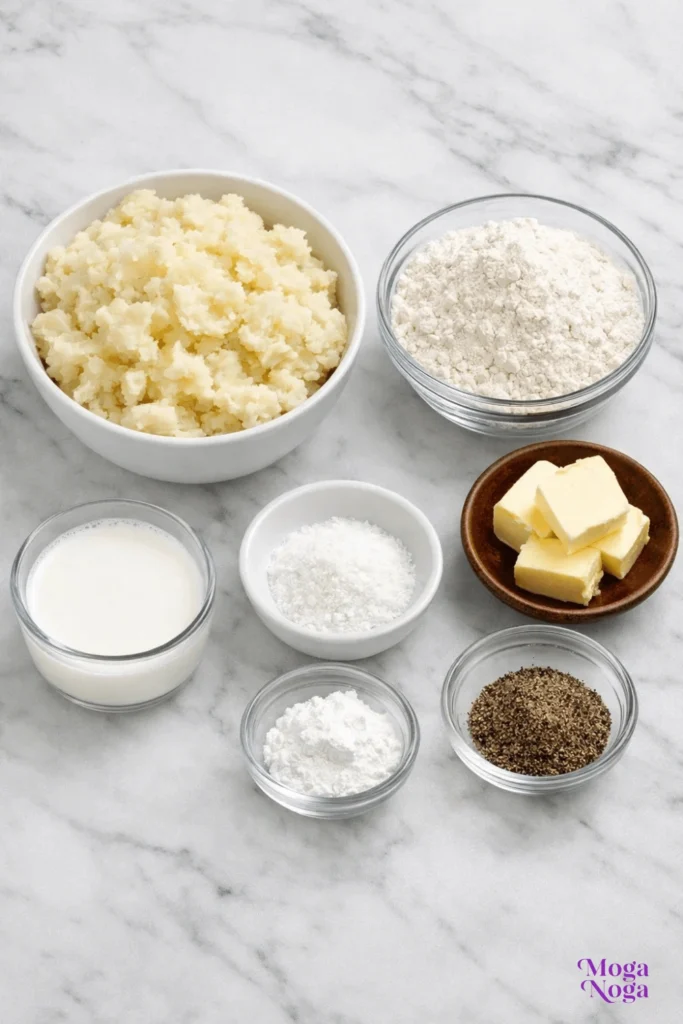
- 2 cups cold mashed potatoes (preferably leftover and unsweetened)
- 1 cup all-purpose flour (plus extra for dusting)
- 2 tablespoons unsalted butter, melted
- ½ teaspoon salt (adjust if mashed potatoes are already seasoned)
Optional Add-Ins:
- ¼ cup chopped scallions
- ¼ cup shredded sharp Irish cheddar
- 2 tablespoons finely chopped cooked bacon
Instructions
Prepare the Dough
In a medium mixing bowl, combine the cold mashed potatoes, flour, melted butter, and salt. Use a wooden spoon or your hands to mix until a soft, cohesive dough forms. If using optional add-ins, gently fold them into the dough at this stage.
Shape the Dough
Lightly flour a clean surface and turn out the dough. Knead gently for 1 to 2 minutes—just until smooth. Avoid overworking it. Form the dough into a round disc, about ½ inch thick. Use a sharp knife or bench scraper to cut the round into 4 equal wedges (farls).
Preheat and Cook
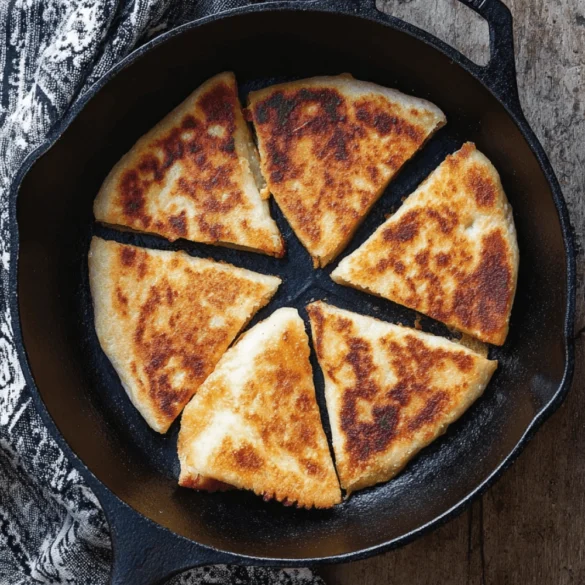
Place a cast iron skillet or nonstick frying pan over medium-low heat. Do not grease the pan—traditional farls cook on a dry surface. Once the pan is hot, lay the farls in without crowding. Cook for about 4 to 5 minutes per side, or until each side is golden brown and slightly crisp.
Flip and Finish
Flip only once during cooking to avoid breaking the farls. Ensure both sides are golden and the center is warmed through. The edges should feel firm but not tough.
Serve Warm
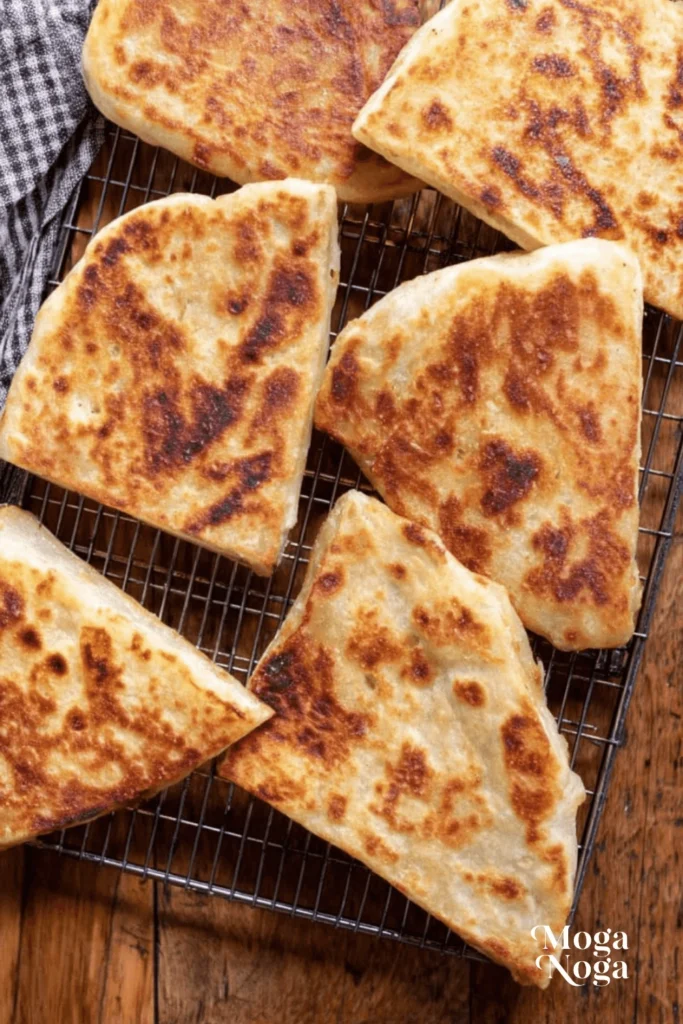
Remove from the pan and serve immediately, or keep warm in a low oven (around 200°F) if cooking in batches. Farls are best enjoyed hot, but they can also be cooled and stored for later reheating.
Tips, Variations, and Storage Options
Top Tips:
- Use cold mashed potatoes: Warm mash creates sticky dough that’s harder to handle.
- Don’t overwork the dough: Gentle mixing keeps the texture soft.
- Preheat your skillet well: It guarantees that golden, slightly crispy surface.
Tasty Variations:
- Cheesy Farls: Add shredded Irish cheddar for a gooey, savory bite.
- Herb-Infused: Mix in chopped chives, parsley, or rosemary.
- Spiced Up: Sprinkle garlic powder or smoked paprika into the flour mix for a flavor boost.
Storage Suggestions:
- Fridge: Store cooled farls in an airtight container for up to 3 days.
- Freezer: Freeze cooked farls between layers of parchment paper for up to 2 months.
- Reheating: Toast them lightly in a pan or pop them in the toaster for a crisp edge revival.
Equipment Needed
While you don’t need anything fancy to make Irish Potato Farls, having the right basic tools can make the process smoother and more enjoyable.
- 1. Mixing Bowl: Essential for combining your mashed potatoes and flour without making a mess. A medium-size bowl works perfectly.
- 2. Rolling Pin: To gently roll out the dough. A wine bottle or flat-bottomed glass can work in a pinch, but a rolling pin gives you better control.
- 3. Cast Iron Skillet or Heavy Frying Pan: This helps achieve that classic golden crust. The even heat distribution makes a noticeable difference.
- 4. Bench Scraper or Sharp Knife: Used to divide the dough into quarters. A bench scraper also helps lift the dough from the floured surface cleanly.
- 5. Spatula: For flipping the farls carefully without tearing or deforming them. Silicone or thin metal spatulas work best.
These tools are probably already in your kitchen, which makes Irish Potato Farls a recipe that’s as practical as it is delicious.
Related Recipes
If you enjoy making Irish Potato Farls, here are a few other comforting and traditional recipes you might love trying next:
- 1. Colcannon: A classic Irish mashed potato dish with cabbage or kale folded in. It’s often made with leftovers from Irish Potato Farls and pairs beautifully with sausages or ham.
- 2. Cowboy Breakfast Sliders: Hearty mini sandwiches layered with scrambled eggs, cheese, and sausage or bacon on soft buns. These sliders pack big flavor in a small bite and echo the same satisfying, no-fuss spirit as Irish Potato Farls—perfect for feeding a crowd or fueling a busy morning.
- 3. Traditional Irish Soda Bread: Quick and easy, soda bread skips yeast in favor of baking soda. Great with butter or jam, and makes a lovely companion to soups.
- 4. Shepherd’s Pie: A rich meat and vegetable filling topped with creamy mashed potatoes—perfect comfort food for colder months.
- 5. Grilled Cheese Chaffle: A low-carb twist on comfort food, this cheesy waffle uses eggs and shredded cheese instead of bread. Crisp on the outside and gooey inside, it captures the same satisfying, golden crunch as Irish Potato Farls—simple, rustic, and endlessly customizable.
Each of these recipes shares that old-fashioned comfort vibe that makes Irish cooking feel like a warm hug.
Pairing/Serving Suggestions
Irish Potato Farls may be simple, but the ways to serve them are delightfully endless. Here’s how to turn them into a full meal—or just make them shine even brighter.
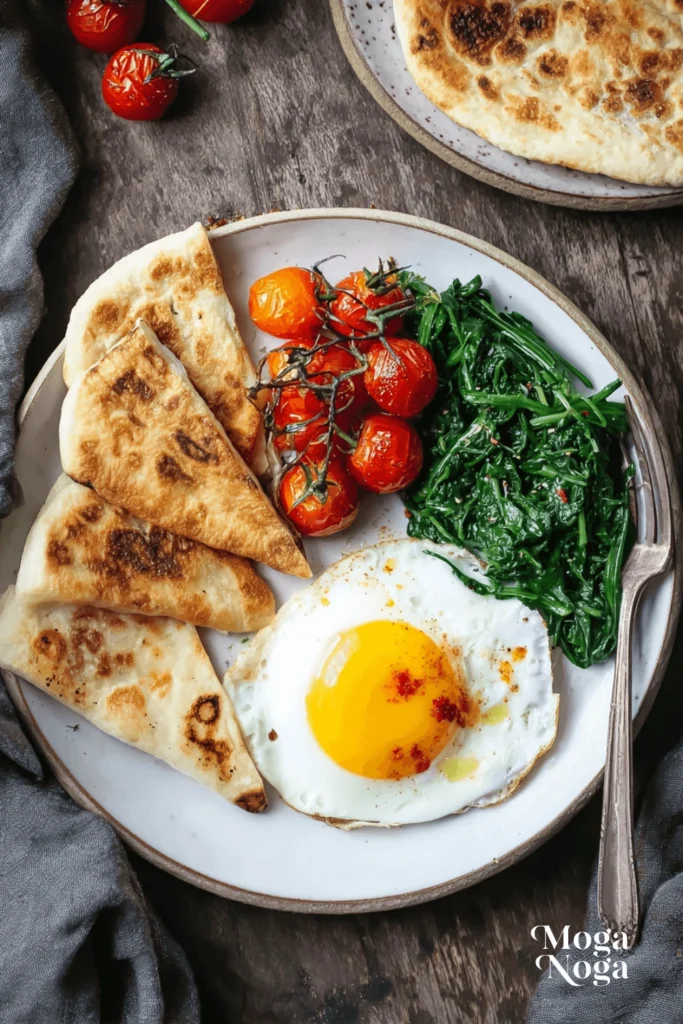
- Traditional Breakfast Fry-Up: Serve alongside fried eggs, bacon rashers, sausage links, baked beans, grilled tomatoes, and black pudding for a full Irish breakfast. Farls are perfect for soaking up yolk and flavors.
- Butter and Jam: For a sweet twist, spread a little salted butter and raspberry or blackberry jam on a warm farl. It’s unexpected but incredibly comforting.
- Smoked Salmon and Cream Cheese: Slice the farls into wedges and top with cream cheese, capers, and thin slices of smoked salmon. This transforms them into an elegant brunch treat.
- With Stew or Soup: Use Irish Potato Farls like you would a dinner roll perfect for dipping into hearty stews or creamy soups.
- Avocado and Egg Topping: Modern meets traditional when you top a reheated farl with mashed avocado, chili flakes, and a poached egg.
- As a Sandwich Base: Use split farls as the base for mini sandwiches especially good with ham, sharp cheddar, or roasted vegetables.
The neutral, buttery flavor of Irish Potato Farls makes them a fantastic vehicle for both savory and sweet pairings. The crisp exterior and pillowy interior invite experimentation.
Frequently Asked Questions
Can I use leftover mashed potatoes?
Absolutely that’s the most authentic way. Just be sure they’re not overly creamy or watery.
What if my dough is too sticky?
Add a little more flour, one spoonful at a time, until it’s soft but workable. Be cautious not to overdo it.
Do I need to use butter in the dough?
No, but it adds flavor and moisture. Some traditional versions skip it, so it’s up to you.
Can I bake Irish Potato Farls instead of frying them?
It’s possible, though the texture will change. Baking gives a drier result. If you go this route, brush lightly with oil and bake at 400°F until golden.
Can I make them gluten-free?
Yes, with a gluten-free flour blend that’s suitable for baking. The texture may be slightly different, but they’ll still be delicious.
How thick should I roll the dough?
About a half inch thick works best. This ensures they cook through evenly while still being soft inside.
Do I have to cut them into quarters?
Traditionally, yes. But you can make smaller rounds, squares, or even use cookie cutters for fun shapes, especially for kids.
Nutrition Information
Understanding what goes into your food is always empowering. Here’s a general breakdown of the nutrition you can expect from one serving of Irish Potato Farls (based on traditional preparation and a four-serving batch):
- Calories: Approximately 150 to 180
- Protein: Around 3 to 4 grams
- Carbohydrates: Roughly 30 grams
- Fats: About 5 grams (mainly from butter)
- Fiber: Around 2 grams
- Sodium: Varies based on added salt or toppings
These values can shift depending on how you prepare them and what you serve them with. For example, adding cheese or serving with bacon will increase fat and protein content. Using whole wheat flour instead of all-purpose can also boost fiber slightly.
If you’re watching your intake, Irish Potato Farls can be part of a balanced plate when served alongside lean protein and vegetables.
Seasonal and Occasion Variations
One of the charms of Irish Potato Farls is how easily they adapt to seasonal ingredients and festive occasions. Below are ideas for reinventing this humble dish throughout the year.
- St. Patrick’s Day Celebration: Go full Irish by serving your farls as part of a traditional Irish breakfast platter or alongside green-themed toppings like sautéed kale, scallion butter, or herbed cream cheese.
- Holiday Leftovers Remix: Got leftover mashed potatoes from Thanksgiving or Christmas? This is the perfect way to repurpose them. Add chopped turkey and a touch of cranberry sauce on top for a savory-sweet variation.
- Springtime Brunch: Top your farls with soft scrambled eggs, baby arugula, and lemon zest. It’s a lighter, brighter take that welcomes the new season.
- Summer Picnic Ready:
Slice farls into finger-sized wedges and pack with dips like hummus, roasted red pepper spread, or tzatziki. They hold up well and make for hearty picnic snacks. - Fall Comfort Plate: Fold in caramelized onions or chopped roasted garlic into the dough for a deeper, cozy flavor. Serve with soups like potato leek or roasted butternut squash.
- Special Occasions & Parties: Cut smaller circles or shapes using cookie cutters. Serve with an assortment of toppings like smoked meats, cheeses, and chutneys. They make a rustic yet elegant appetizer or brunch board addition.
Adapting Irish Potato Farls to the season not only keeps things exciting, but also helps reduce food waste by using what’s already in your kitchen.
My Recipe Tips
Even though Irish Potato Farls are simple by nature, there are a few clever tricks that make the difference between “good” and “absolutely perfect.” Here are my top tips:
- 1. Start with cold mashed potatoes: Warm mash can make the dough sticky and hard to work with. Cold potatoes firm up the dough and keep everything tidy.
- 2. Don’t knead like bread: The dough should be mixed until just combined. Overworking it develops the gluten in the flour, making the farls dense and tough.
- 3. Use a lightly floured surface: Too much flour will dry out the dough. Light dusting is just enough to prevent sticking without over-flouring the mix.
- 4. Let the dough rest briefly before rolling: A quick rest (just 5 to 10 minutes) helps hydrate the flour and makes the dough easier to roll and handle.
- 5. Maintain low-medium heat: This is crucial. High heat will char the outside before the inside is cooked through. Medium heat ensures a golden crust and tender center.
- 6. Flip just once: Frequent flipping can interrupt the cooking process and flatten the farls. One flip is all you need—think of them like pancakes in that way.
- 7. Keep them warm the right way: If cooking in batches, place finished farls on a wire rack in a low oven (around 200°F). Avoid stacking, which traps steam and softens that perfect crust.
- 8. Batch and Freeze: Make extra and freeze them for busy mornings. A quick reheat in the skillet or toaster gives you that fresh-off-the-griddle taste with zero prep.
- These small adjustments might seem simple, but together, they elevate the result dramatically. With each batch, you’ll develop your own rhythm and feel for the dough.
Conclusion
There’s something beautifully grounding about Irish Potato Farls. They aren’t flashy or complicated. They don’t demand fancy ingredients or hours of prep. Yet, they manage to deliver such heartwarming flavor and nostalgia in every bite.
These golden griddle breads are a reminder of the power of simplicity—of using what you have, honoring tradition, and creating something memorable from everyday ingredients. Whether you’re enjoying them with a full Irish breakfast, dressing them up for brunch, or sneaking a warm wedge straight from the skillet, you’ll be glad you gave this recipe a try.
Making Irish Potato Farls also connects you with a long culinary lineage—one that stretches back generations across Irish kitchens. And now, that legacy lives on in yours.
So next time you find yourself with a bowl of mashed potatoes in the fridge, remember: you’re just a few steps away from something truly special. Try it once, and Irish Potato Farls will likely become one of those recipes you return to over and over again.
Hungry for more recipes that celebrate humble ingredients and old-world charm? Explore the site for more comforting classics and modern takes on timeless dishes.
Ingredients
2 cups mashed potatoes (cold, leftover works best)
1 cup all-purpose flour (plus more for dusting)
2 tablespoons unsalted butter, melted
½ teaspoon salt
¼ teaspoon black pepper (optional)
Instructions
In a large bowl, combine the mashed potatoes, melted butter, salt, and black pepper. Mix until smooth.
Gradually add the flour, stirring until a soft dough forms. The dough should be workable but not sticky.
Lightly flour a surface and turn out the dough. Gently knead just until smooth.
Roll the dough into a circle about ¼ inch thick.
Cut the circle into 4 equal wedges (farls).
Heat a dry skillet or griddle over medium heat.
Cook the farls for 3–4 minutes per side, until golden brown with crisp edges.
Remove from the pan and serve warm with butter, eggs, or bacon-style sides.
