
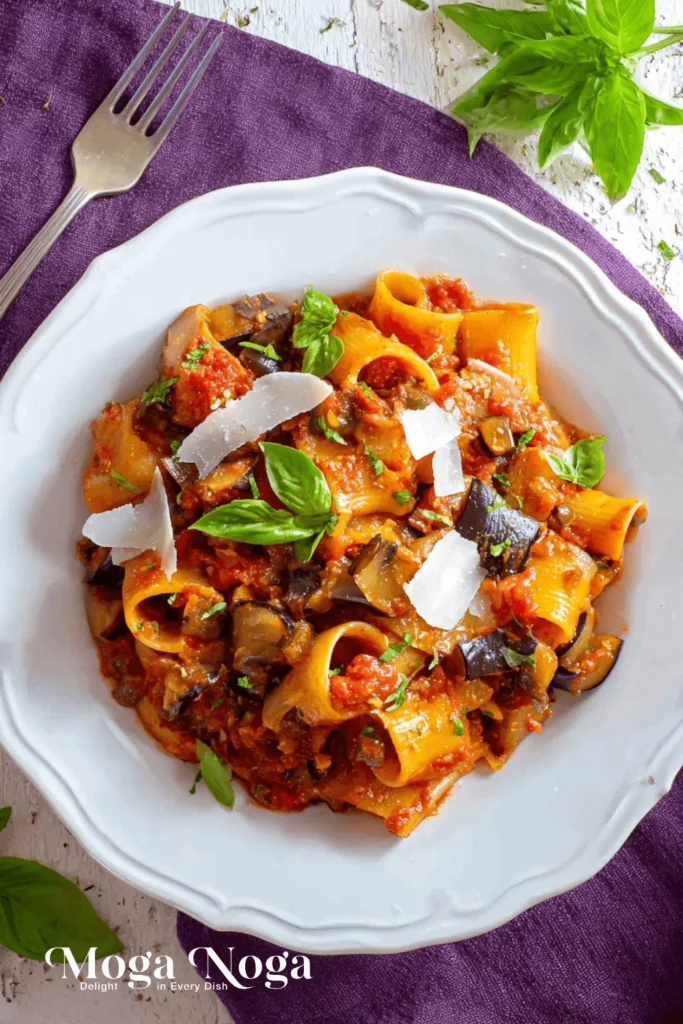
Greek eggplant pasta is the kind of dinner that leans in close and whispers, “slow down.” It smells like summer streets after dusk, when tomato and garlic hang sweet in the air. One bite, and you’ll understand why this cozy bowl feels a little bit like being cared for.
Table of Contents
Why You’ll Love This Recipe
There’s something quietly seductive about eggplant when it’s treated right: it turns silky, soaks up sauce, and makes a simple pot of pasta feel like an occasion.
- Comfort-First Flavor: Greek eggplant pasta brings that deep, simmered tomato richness, but the eggplant adds a plush, almost creamy feel that makes every forkful linger.
- Weeknight Friendly, Dinner-Party Worthy: You can pull it together without stress, yet it tastes like you meant to impress, especially when you finish with a bright sprinkle of herbs.
- A Sneaky Way to Love Veggies: Even people who “don’t do eggplant” tend to fall for it once it’s browned and softened into the sauce, because it stops being spongy and starts being luxurious.
- Pantry Staples, Big Payoff: With pasta, tomatoes, olive oil, garlic, and a few Greek-leaning touches, you get restaurant-level comfort without a long shopping list.
- Customizable Without Losing Its Soul: Keep it classic and simple, or play with spice, cheese, and protein while still letting that Mediterranean vibe shine through.
If you’re craving a meal that feels warm, generous, and just a little flirtatious, Greek eggplant pasta is ready whenever you are.
Detailed Ingredients and Instructions
Come closer to the stove for this one, because the magic happens in small moments: the sizzle of olive oil, the slow collapse of eggplant, the way the sauce turns glossy when you give it time.
Ingredients Breakdown
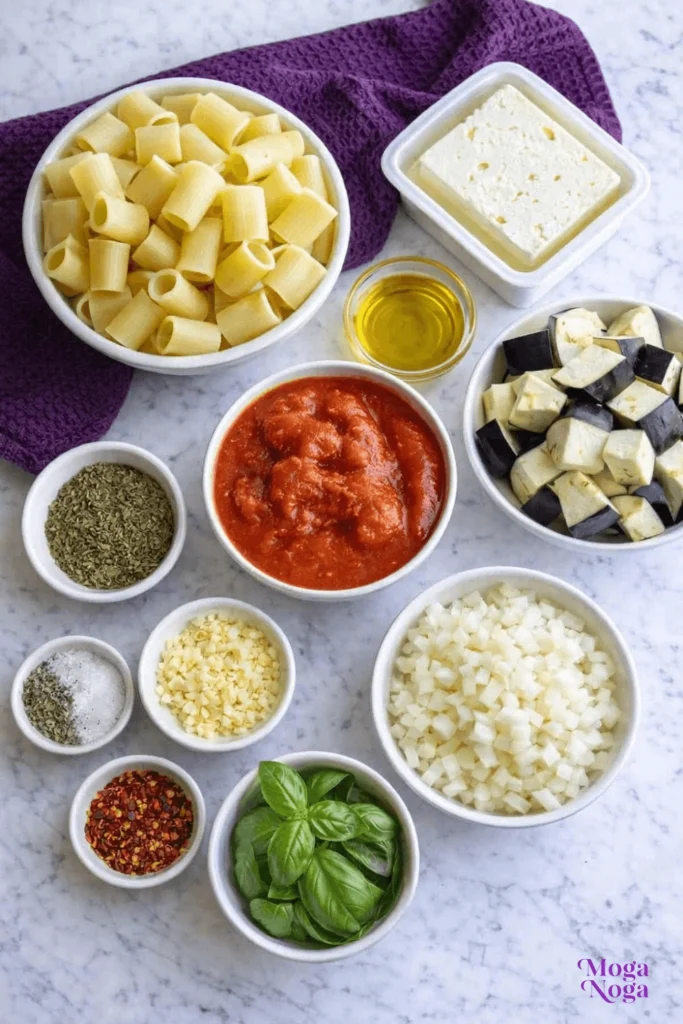
Think of these ingredients as a tiny Greek pantry parade: familiar, unfussy, and full of possibility.
- Eggplant: The star of Greek eggplant pasta, chosen for its ability to turn tender and almost velvety once it’s browned and coaxed into the sauce.
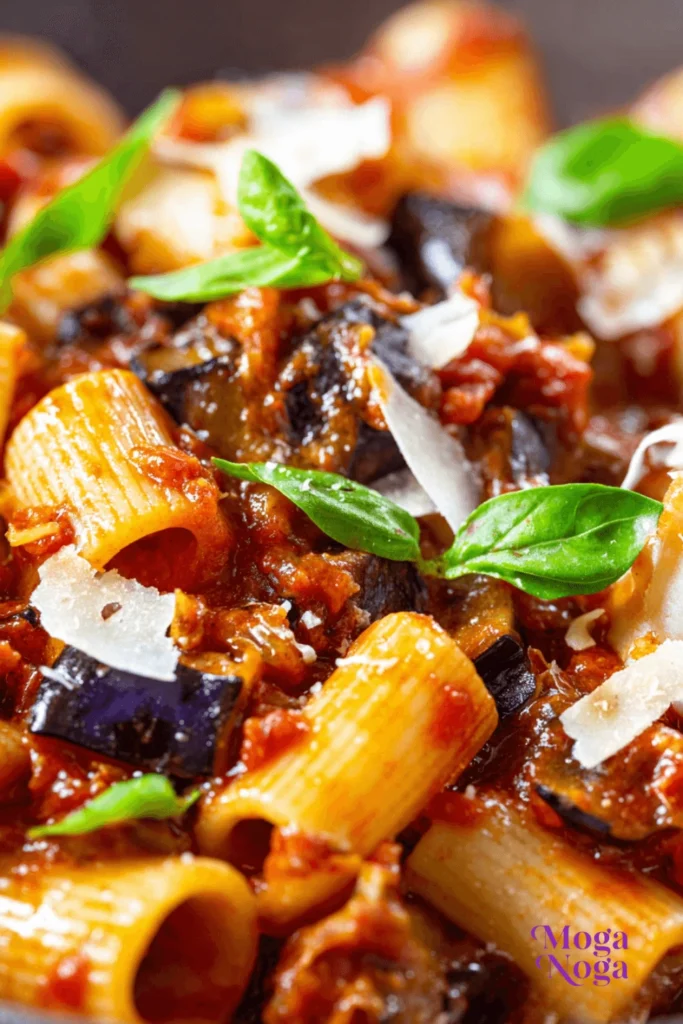
- Pasta: Any shape works, but ridged tubes or twists catch the sauce and little bits of eggplant so every bite feels complete.
- Olive oil: Use a good one if you can, because it’s the base note that makes everything taste rounded and Mediterranean.
- Yellow onion: Adds sweetness and body, especially when it softens slowly and starts to melt into the tomatoes.
- Garlic: The aromatic backbone that makes the kitchen smell like you’re doing something special, even on a regular night.
- Crushed tomatoes: The heart of the sauce, bringing that bright, sunny acidity that balances the eggplant’s richness.
- Tomato paste: A small spoonful deepens color and gives the sauce a concentrated, slow-simmered taste without hours on the clock.
- Red wine vinegar or lemon juice: Just a splash wakes everything up at the end, so the final bowl tastes vivid, not heavy.
- Dried oregano: That unmistakable Greek cue, earthy and slightly floral, tying the sauce to the flavors you want.
- Ground cinnamon: Optional but classic-adjacent, adding a soft warmth that makes the tomatoes taste rounder and more intriguing.
- Red pepper flakes: For gentle heat that nudges the sweetness of the tomatoes and keeps the sauce lively.
- Salt and black pepper: Simple, but essential for turning good ingredients into a sauce that tastes fully awake.
- Fresh parsley or basil: A green, fresh finish that cuts through richness and makes the whole dish feel bright.
- Feta or grated kefalotyri: Salty, tangy crumbles that melt slightly on the hot pasta and make Greek eggplant pasta feel unmistakably Greek.
- Toasted breadcrumbs: A humble topping that adds crunch, like a little golden contrast to all that softness.
Step-by-Step Instructions
Before you start, set a big pot of salted water on to boil and let yourself cook at a calm pace; Greek eggplant pasta rewards you when you don’t rush the browning stage. Salting the water seasons the noodles from within, and starting early means you can focus on the sauce when it’s time to stir, taste, and adjust. That attention is where the whole dish blooms.
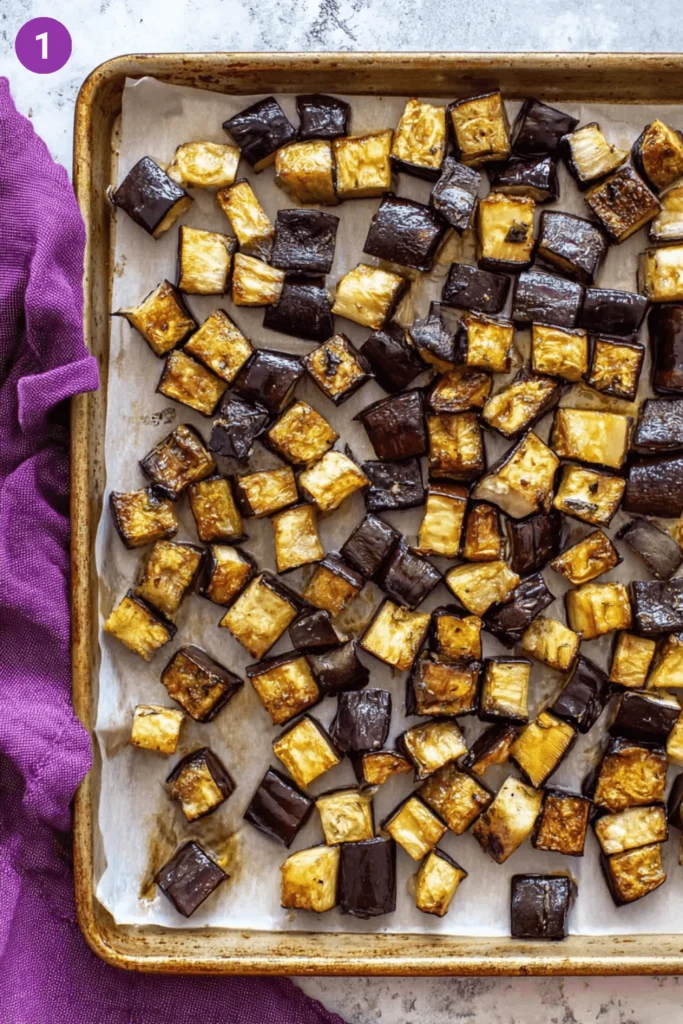
Brown the Eggplant: Cut the eggplant into evenly sized cubes so they cook at the same pace. Heat olive oil in a wide skillet over medium-high heat and add the eggplant in a single layer. Let it sit undisturbed for a few minutes before stirring. This is where the transformation happens. Browning creates flavor and removes that raw, spongy texture. As the pieces soften and turn golden, they begin to absorb the oil and develop that creamy interior Greek eggplant pasta is known for.
Build the Aromatic Base: Lower the heat slightly and add diced onion to the pan. Cook until translucent and lightly golden, then stir in the garlic. Let it cook just until fragrant, about 30 seconds. This stage matters because it layers sweetness and depth into the sauce. The onion softens the sharpness of the tomatoes, while the garlic anchors the dish with warmth.
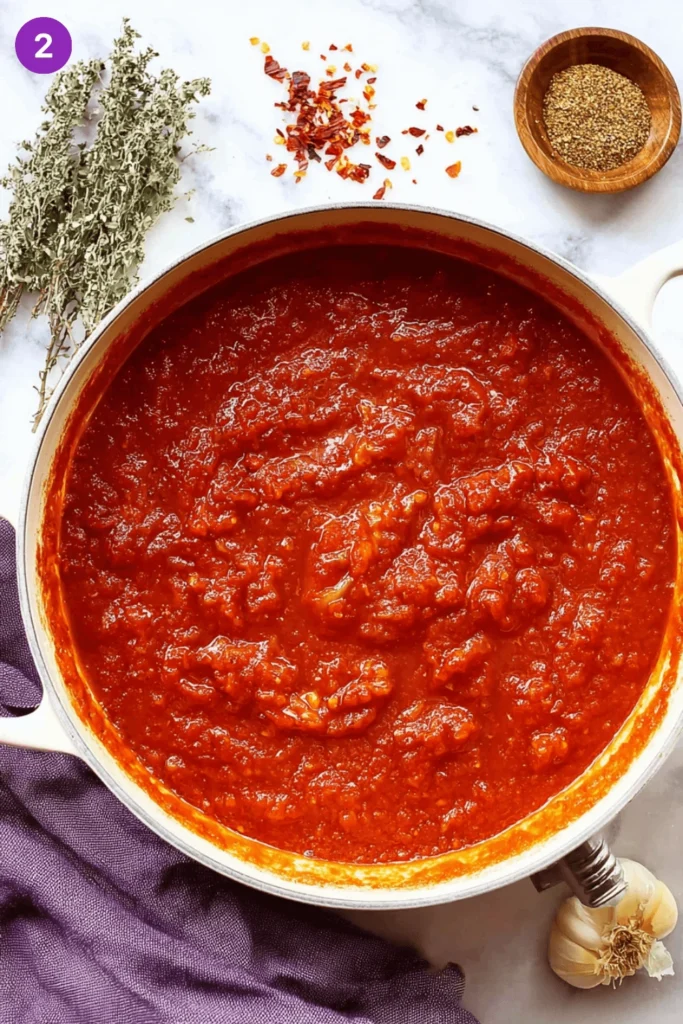
Deepen the Tomato Flavor: Stir in the tomato paste and cook it for a minute before adding crushed tomatoes. Cooking the paste briefly caramelizes it and intensifies its flavor. Sprinkle in oregano, a pinch of cinnamon, red pepper flakes, salt, and pepper. Let everything simmer gently. The sauce should bubble lazily, thickening and coating the eggplant. This slow simmer allows the eggplant to finish softening and infuses every bite with balanced, savory sweetness.
Cook the Pasta to Al Dente: While the sauce simmers, cook your pasta until just al dente. It should still have a slight bite in the center. This is important because the pasta will finish cooking in the sauce. Drain it, reserving a small cup of pasta water. That starchy water can help loosen the sauce later while keeping it silky rather than watery.
Bring It Together: Add the drained pasta directly into the skillet with the sauce. Toss gently so every piece is coated. If the mixture feels thick, splash in a bit of reserved pasta water. This final mingling step ensures that the Greek eggplant pasta becomes one cohesive dish rather than pasta topped with sauce. Let it cook together for another minute so flavors settle into each other.
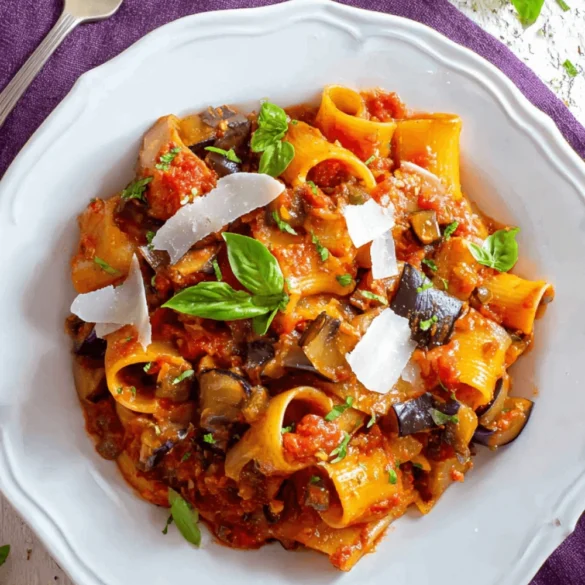
Finish with Brightness: Remove from heat and stir in a small splash of lemon juice or red wine vinegar. Sprinkle fresh herbs and crumble feta over the top. This finishing touch is what lifts the dish from comforting to captivating. The acidity sharpens the tomatoes, the herbs add freshness, and the feta melts slightly into creamy pockets.
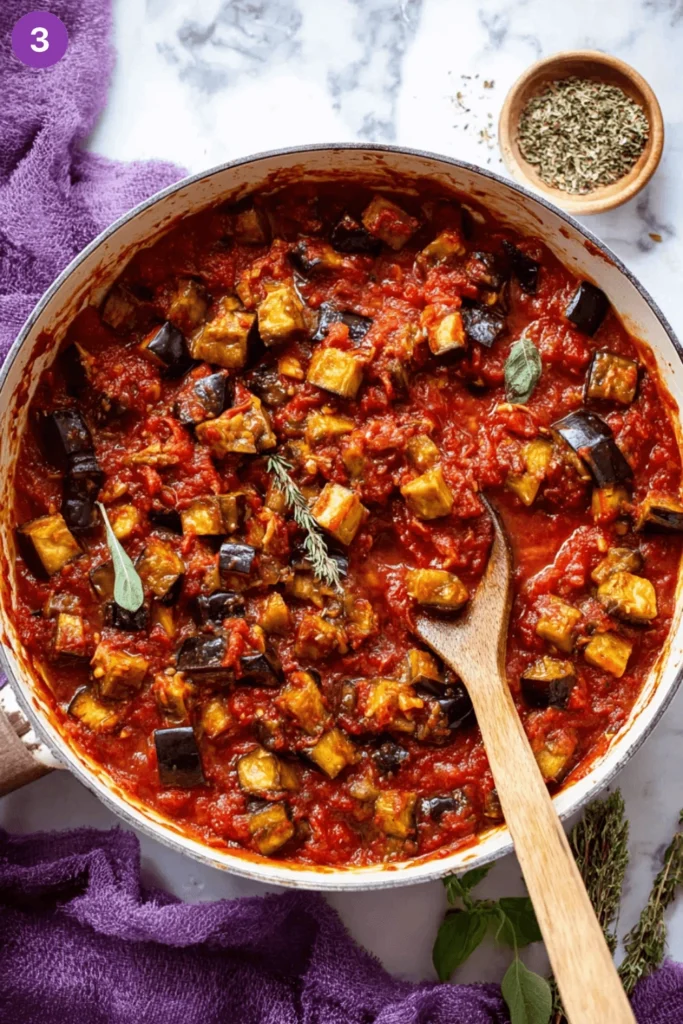
Let it rest for a minute before serving. That pause gives the sauce time to cling and the flavors to fully come alive.
Tips, Variations, and Storage Options
Greek eggplant pasta is generous by nature. It welcomes little tweaks and personal touches without losing its Mediterranean heart.
Expert Tips
- Salt the Eggplant First: If you have extra time, lightly salt the eggplant cubes and let them sit for 20 to 30 minutes before cooking. This draws out excess moisture and helps them brown beautifully instead of steaming.
- Use a Wide Pan: Crowding leads to soggy eggplant. A wide skillet allows proper browning, which means deeper flavor and better texture.
- Taste Before Serving: Tomato-based dishes often need a final pinch of salt or splash of acid at the end. Adjusting right before serving makes Greek eggplant pasta taste vibrant rather than flat.
Delicious Variations
- Add Ground Lamb or Beef: Brown a small amount of seasoned meat with the onions for a heartier, moussaka-inspired twist.
- Make It Vegan Creamy: Skip the feta and stir in a spoonful of tahini or a splash of coconut milk for subtle creaminess without dairy.
- Spicy Mediterranean Kick: Add chopped Kalamata olives and a touch more red pepper flakes for briny heat that wakes up the sauce.
Storage Options
- Refrigerator Storage: Store leftovers in an airtight container for up to four days. The flavors deepen overnight, making it even better the next day.
- Freezing Option: Freeze the sauce separately from the pasta for best texture. Thaw in the refrigerator overnight before reheating.
- Reheating Guidance: Warm gently on the stove with a splash of water or olive oil to restore silkiness. Avoid high heat, which can dry out the pasta.
Equipment Needed
You don’t need a chef’s kitchen to make Greek eggplant pasta shine, just a few reliable basics.
- Large Skillet or Sauté Pan: Essential for browning eggplant properly and building the sauce without overcrowding.
- Large Pot: Needed for boiling pasta evenly and giving it room to cook without sticking.
- Sharp Knife: Makes slicing eggplant and dicing onion easier and safer. Even cuts ensure even cooking.
- Wooden Spoon or Tongs: Ideal for stirring the sauce and tossing pasta without breaking the tender eggplant pieces.
With these simple tools, you’re fully equipped to create a dish that feels thoughtfully prepared.
Related Recipes
If Greek eggplant pasta wins you over, these Mediterranean-inspired dishes will feel like natural next steps.
- Classic Baked Ziti: A layered pasta casserole with tomato, herbs, and creamy topping that echoes similar flavors.
- Roasted Vegetable Orzo: Light yet satisfying, packed with Mediterranean vegetables and bright herbs.
- Spinach and Feta Stuffed Shells: A comforting baked pasta option with that familiar tangy cheese profile.
- Lentil Tomato Stew: A plant-based dish that shares the same warming spice undertones and tomato depth.
- Classic Moussaka-Inspired Skillet: A simplified version of the traditional layered dish, highlighting eggplant and rich tomato sauce.
Pairing/Serving Suggestions
There’s something intimate about serving Greek eggplant pasta straight from the skillet at the center of the table. The aroma of tomato, oregano, and olive oil drifts upward, and suddenly dinner feels less rushed and more like an experience worth savoring.
Drink Pairings
- Sparkling Water with Lemon: For a non-alcoholic option, chilled sparkling water with fresh lemon slices refreshes the palate between bites and keeps the meal feeling light.
Side Pairings
- Greek Salad: Crisp cucumbers, tomatoes, olives, and feta bring cool contrast to the warm pasta and echo the Mediterranean flavors beautifully.
- Warm Pita Bread: Soft, lightly toasted pita is perfect for scooping up extra sauce left on the plate. Nothing goes to waste.
- Garlic Green Beans: Lightly sautéed green beans with garlic add crunch and freshness, balancing the silkiness of the eggplant.
Presentation Ideas
- Family-Style Skillet Serve: Place the skillet directly on a trivet at the table and sprinkle extra herbs and feta on top just before serving. It feels rustic and inviting.
- Twirl-and-Plate: Use tongs to twirl individual portions into neat nests on shallow bowls, then finish with a drizzle of olive oil for a restaurant-style touch.
- Layered Platter Style: Spread the pasta on a wide platter, scatter breadcrumbs and herbs generously, and let guests help themselves for a relaxed dinner party vibe.
Frequently Asked Questions
Can I make Greek eggplant pasta ahead of time?
Yes, you can prepare the sauce a day in advance and store it in the refrigerator. When you’re ready to serve, cook fresh pasta and combine it with the reheated sauce. This keeps the texture ideal while still allowing you to save time.
Do I have to peel the eggplant?
No, the peel softens as it cooks and helps the cubes hold their shape. If you prefer an ultra-smooth texture, you can partially peel it, but leaving the skin on adds both color and structure.
What pasta shape works best for Greek eggplant pasta?
Short shapes with ridges, like penne or rigatoni, are especially good because they catch bits of eggplant and sauce. However, long noodles like spaghetti can also work beautifully if that’s what you have on hand.
Is this dish vegetarian?
Yes, Greek eggplant pasta is naturally vegetarian. To make it vegan, simply omit the feta or replace it with a plant-based alternative.
Why does my eggplant sometimes turn soggy?
Sogginess usually happens when the pan is overcrowded or the heat is too low. Giving the eggplant space and allowing it to brown properly ensures it becomes tender without losing its structure.
Nutrition Information
This dish balances comfort with nourishment, offering fiber, plant-based nutrients, and satisfying flavor in one bowl.
Per Serving
- Calories: Approximately 420–480 depending on pasta type and cheese amount.
- Protein: 12–15 grams, higher if cheese or added protein is included.
- Carbohydrates: 60–70 grams, primarily from pasta and tomatoes.
- Sugar: 8–12 grams, naturally occurring from tomatoes and onion.
- Fat: 12–18 grams, mostly from olive oil and optional cheese.
- Fiber: 7–9 grams, thanks to eggplant and tomato content.
Seasonal and Occasion Variations
Greek eggplant pasta adapts beautifully to the rhythm of the year. With just a few thoughtful changes, it can feel fresh in summer or deeply comforting in winter.
Spring/Summer
- Fresh Basil Boost: Replace parsley with generous fresh basil and add halved cherry tomatoes for a lighter, garden-forward twist.
- Grilled Eggplant Version: Grill thick eggplant slices before cubing and folding into the sauce. This adds a smoky note perfect for warm evenings.
Fall
- Roasted Garlic Enrichment: Stir in mashed roasted garlic for a sweeter, deeper flavor profile that feels cozy as temperatures drop.
- Butternut Blend: Add small cubes of roasted butternut squash alongside the eggplant for subtle sweetness and seasonal warmth.
Winter
- Baked Pasta Finish: Transfer the finished Greek eggplant pasta to a baking dish, top with cheese, and bake until golden for a heartier cold-weather meal.
- Spiced Tomato Depth: Increase cinnamon slightly and add a pinch of nutmeg to create a richer, almost stew-like warmth.
Holiday Ideas
- Meze-Inspired Spread: Serve smaller portions of Greek eggplant pasta alongside dips, olives, and breads for a festive Mediterranean table.
- Elegant Dinner Party Upgrade: Garnish with toasted pine nuts and extra herbs for a dish that feels worthy of special gatherings.
My Recipe Tips
After making Greek eggplant pasta more times than I can count, I’ve learned that the smallest details often make the biggest difference. This dish is forgiving, yes, but when you give it just a little extra attention, it turns from good to unforgettable.
- Pro Insight: Let the eggplant truly brown before moving it too much. It’s tempting to stir constantly, but patience builds flavor. When the cubes sit undisturbed, they caramelize on the surface, which gives Greek eggplant pasta its deep, savory base.
- Common Mistake to Avoid: Don’t drown the eggplant in oil all at once. Eggplant absorbs oil quickly, and adding too much too early can make the dish heavy. Start with a moderate amount and add more only if needed. This keeps the texture silky rather than greasy.
- Flavor Enhancement Secret: Finish with acid every time. Whether it’s lemon juice or red wine vinegar, that final splash brightens the tomatoes and sharpens the herbs. Without it, Greek eggplant pasta can taste flat. With it, the flavors come alive.
- Texture Refinement Tip: Reserve more pasta water than you think you’ll need. A spoonful stirred in at the end loosens the sauce and helps it cling to every noodle. It creates that glossy finish you usually only get in restaurants.
Conclusion
Greek eggplant pasta is more than a combination of vegetables and noodles. It’s a reminder that simple ingredients, treated with care, can feel indulgent and deeply satisfying.
From the first sizzle of eggplant in olive oil to the final crumble of feta, every step builds a dish that tastes layered and thoughtful without being complicated. It welcomes improvisation, adapts to seasons, and rewards patience with rich, silky texture.
Whether you serve it quietly on a weeknight or proudly at the center of a long table filled with friends, Greek eggplant pasta delivers warmth in every forkful. And once you’ve tasted how tender eggplant melts into tomato and herbs, you may find yourself coming back to it again and again, not just for dinner, but for that feeling of comfort that lingers long after the plates are cleared.
Ingredients
12 ounces penne or rigatoni pasta
1 large eggplant, cut into 1-inch cubes
3 tablespoons olive oil, divided
1 teaspoon salt, divided
½ teaspoon freshly ground black pepper
1 teaspoon dried oregano
½ teaspoon smoked paprika
1 small red onion, thinly sliced
3 garlic cloves, minced
1 ½ cups cherry tomatoes, halved
½ cup crushed tomatoes or tomato passata
¼ teaspoon red pepper flakes (optional)
½ cup Kalamata olives, sliced
¾ cup crumbled feta cheese
2 tablespoons fresh parsley, chopped
1 tablespoon fresh lemon juice
1 teaspoon lemon zest
Instructions
Bring a large pot of salted water to a boil. Cook the pasta according to package instructions until al dente. Reserve ½ cup of pasta water, then drain and set aside.
While the pasta cooks, preheat your oven to 425°F (220°C). Toss the eggplant cubes with 2 tablespoons olive oil, ½ teaspoon salt, black pepper, oregano, and smoked paprika.
Spread the eggplant in a single layer on a baking sheet. Roast for 20–25 minutes, turning halfway through, until tender and golden at the edges.
In a large skillet over medium heat, add the remaining tablespoon of olive oil. Sauté the sliced red onion for 3–4 minutes until softened.
Stir in the minced garlic and cook for 30 seconds until fragrant.
Add the cherry tomatoes and cook for 3–4 minutes until they begin to soften and release their juices.
Pour in the crushed tomatoes, remaining ½ teaspoon salt, and red pepper flakes if using. Let the sauce simmer gently for 5–7 minutes.
Add the roasted eggplant and sliced Kalamata olives to the skillet. Stir to combine and allow the flavors to meld for 2–3 minutes.
Add the cooked pasta to the skillet and toss well. If the sauce seems thick, add a splash of the reserved pasta water to loosen it.
Remove from heat and stir in the lemon juice and zest.
Sprinkle generously with crumbled feta and fresh parsley before serving.
Serve warm, with extra feta on top if desired, and a drizzle of good olive oil for a true Mediterranean finish.
