
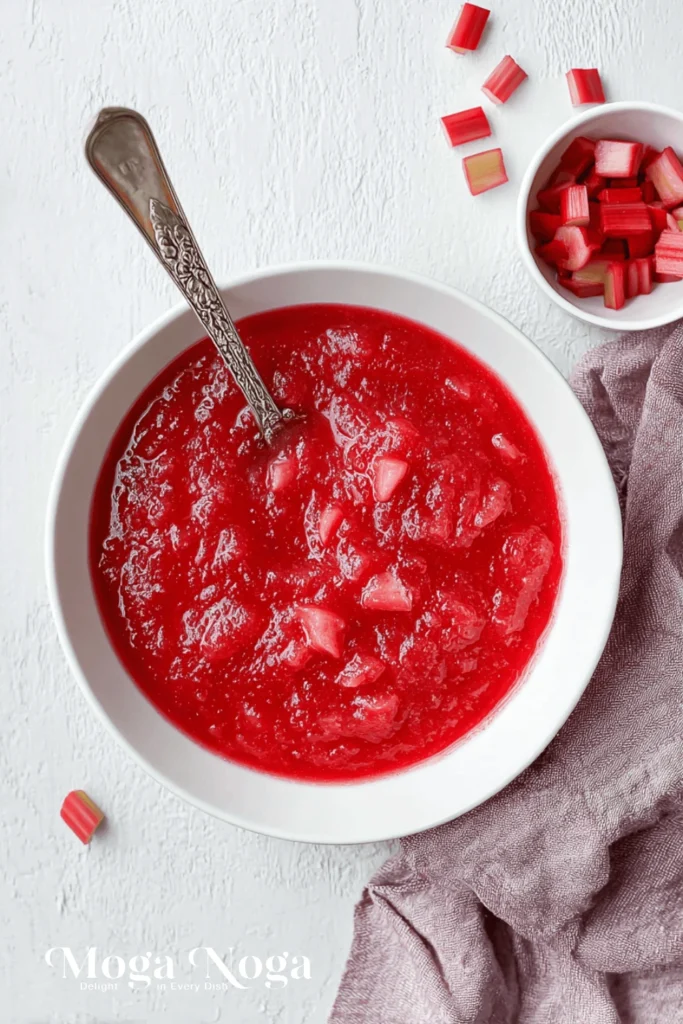
Rhubarb sauce has a way of pulling you in before the first spoonful even reaches your lips. It smells bright, tastes deeply alive, and balances sweetness with that thrilling tart edge. Once you make it well, it becomes one of those little kitchen rituals you crave repeating.
Table of Contents
Why You’ll Love This Recipe
There is something so appealing about a recipe that asks for very little and gives so much back. Rhubarb sauce seems simple at first, but once it starts bubbling on the stove, it becomes fragrant, vibrant, and hard to resist. It is just as lovely over breakfast as it is beside dessert.
- Beautiful balance: This sauce brings together sweetness and tartness in a way that feels lively rather than sharp, giving every spoonful a vivid flavor that never falls flat.
- Surprisingly versatile: You can drizzle it over pancakes, swirl it into yogurt, serve it with cheesecake, or pair it with roasted meats when you want something unexpected and elegant.
- Simple ingredients, rich reward: With only a handful of familiar ingredients, rhubarb sauce creates a result that feels polished, nostalgic, and worthy of a place in your regular routine.
- Easy to customize: You can keep it classic, make it warmer with spice, or soften its edges with vanilla or orange depending on the mood you want on the table.
- A seasonal pleasure: When rhubarb appears, this is one of the loveliest ways to celebrate it, because the sauce captures its color, brightness, and personality without burying what makes it special.
It is the kind of recipe that feels comforting, clever, and just a little addictive once you realize how many ways it can slip into your day.
Detailed Ingredients and Instructions
This is the kind of stovetop recipe that welcomes you in gently and rewards even the smallest bit of care.
Ingredients Breakdown
A short ingredient list is part of the charm here, but each element plays a meaningful role in the final flavor and texture.
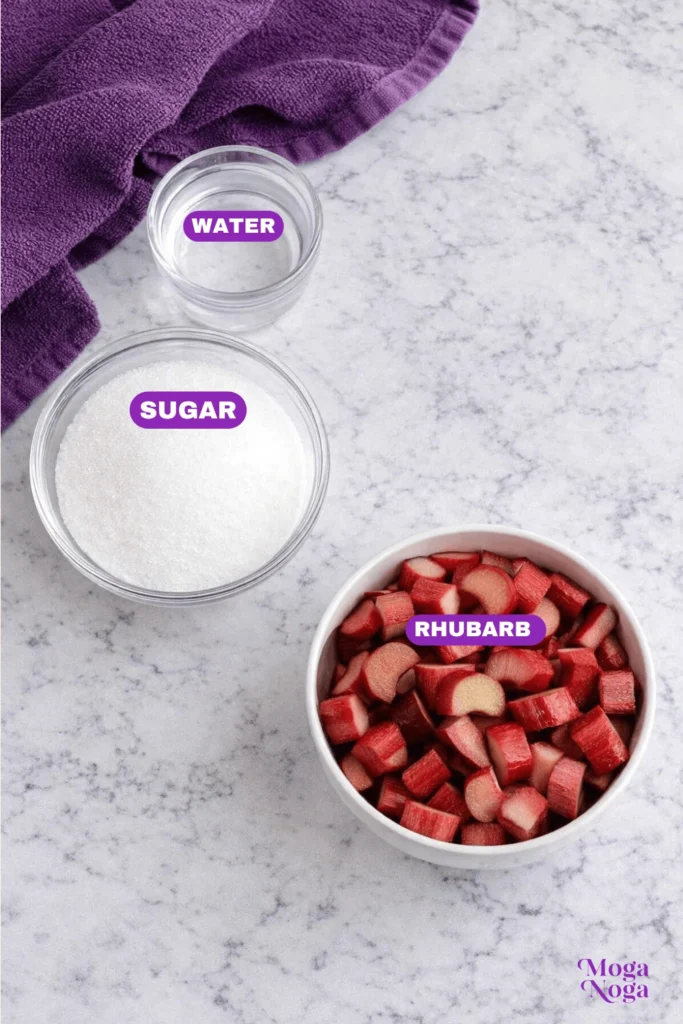
- Fresh rhubarb: This is the star, bringing its signature tang, blush-toned beauty, and soft texture once cooked down. Choose firm stalks with a fresh look for the best flavor.
- Granulated sugar: Sugar softens rhubarb’s sharpness and helps the fruit break down into a glossy, spoonable sauce without losing its bright character.
- Water: A small amount of water gets everything moving in the pan and prevents the fruit from scorching before it starts releasing its own juices.
- Lemon juice: A little lemon sharpens the flavor in the best way, keeping the sauce fresh-tasting and helping the sweetness feel more balanced and lively.
- Vanilla extract: Vanilla rounds out the tart notes and gives the sauce a softer, warmer finish that makes it feel fuller and more dessert-friendly.
- Pinch of salt: Even a tiny bit of salt makes a difference by deepening flavor and keeping the sweetness from becoming one-dimensional.
- Optional cinnamon: If you want a cozier profile, a small pinch adds warmth without distracting from the rhubarb itself.
Step-by-Step Instructions
Making rhubarb sauce is wonderfully straightforward, but a few thoughtful steps help it taste smoother, brighter, and more beautifully finished.
- Prep the rhubarb: Wash the stalks well, trim the ends, and cut them into even pieces. Uniform pieces cook at the same rate, which helps the sauce turn silky instead of patchy or uneven.
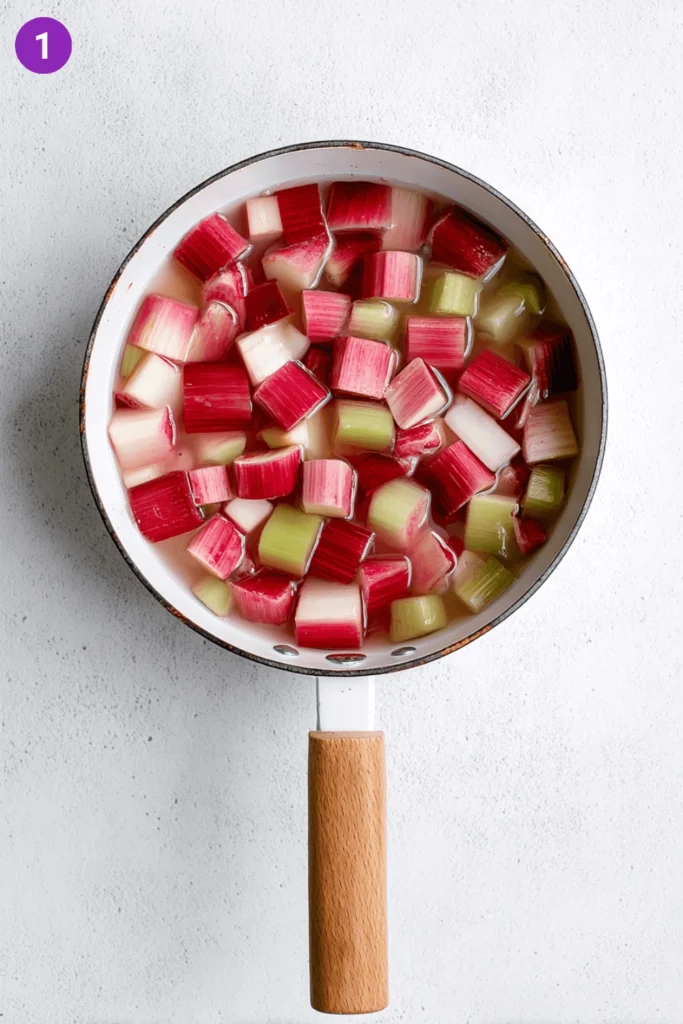
- Combine the base ingredients: Add the rhubarb, sugar, and water to a saucepan before turning on the heat. Starting everything together encourages the fruit to soften gradually and keeps the sugar from clumping or caramelizing too early.
- Cook until tender: Set the pan over medium heat and stir occasionally as the mixture warms and loosens. This stage matters because gentle cooking allows the rhubarb to collapse naturally, creating a soft texture without dulling its lively flavor.
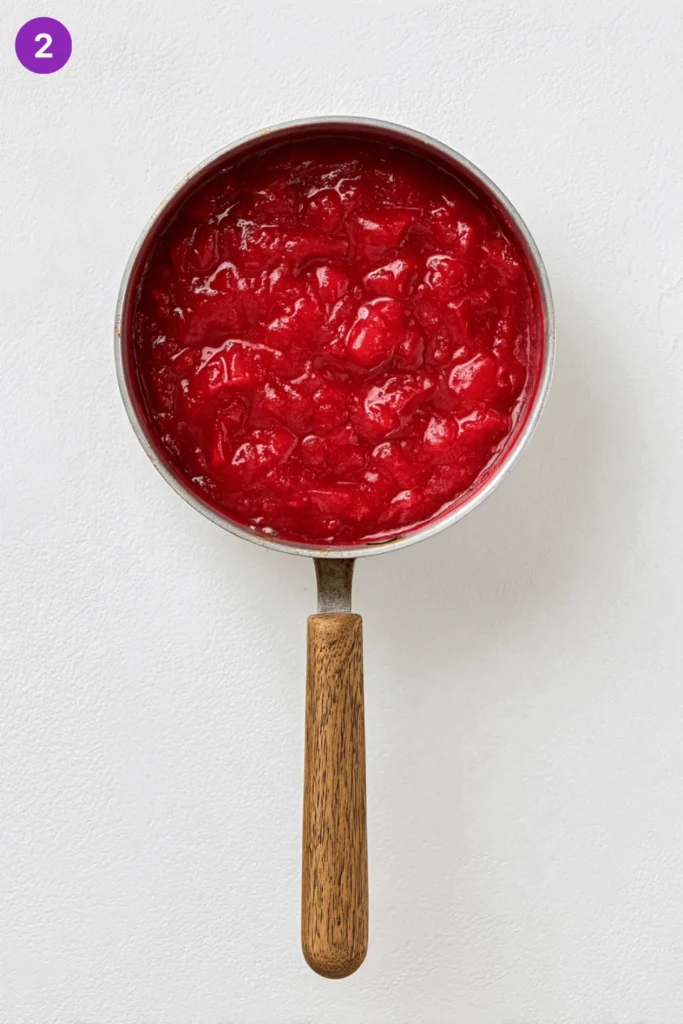
- Finish and adjust: Stir in the lemon juice, vanilla, salt, and optional cinnamon near the end, then taste. Adding these final touches after the fruit softens keeps the flavors clear, fragrant, and balanced instead of muddy or heavy.
Tips, Variations, and Storage Options
Once you have the basics down, rhubarb sauce becomes one of those wonderfully forgiving recipes that invites a little creativity without making you nervous. A few small adjustments can shift the mood completely, whether you want something brighter, deeper, smoother, or more decadent.
Expert Tips
- Cut evenly: Try to slice the rhubarb into similar pieces before cooking. This helps everything soften at the same pace, which gives the finished sauce a more consistent texture and a cleaner look.
- Sweeten gradually: If your rhubarb is especially tender and naturally less sharp, start with slightly less sugar and adjust after simmering. This keeps the sauce vivid and prevents it from drifting into a flat, overly sweet finish.
- Use gentle heat: A steady medium or medium-low heat is usually best. Cooking too aggressively can reduce the sauce too fast, which may leave you with a thicker texture before the fruit fully softens.
- Taste at the end: Rhubarb changes quickly as it cooks, so the final taste is what matters most. A small splash of lemon or a touch more sugar at the end can make the whole pot feel more polished.
Delicious Variations
- Orange-kissed version: Swap part of the lemon for orange juice and add a little zest for a softer citrus profile that feels especially lovely with cakes, waffles, or creamy desserts.
- Berry blend: Add strawberries or raspberries during the final part of cooking if you want a sweeter, more rounded fruit flavor. This variation creates a fuller, slightly jammy character that many people instantly love.
- Spiced rhubarb sauce: Stir in a pinch of cinnamon, ginger, or cardamom for warmth. This creates a deeper, more romantic flavor that works beautifully in cooler weather or with richer baked goods.
- Vanilla bean twist: Use vanilla bean paste or scrape in part of a vanilla pod if you want a more luxurious aroma. It gives the sauce a softer finish and makes it feel a little more special.
Storage Options
- Refrigerator storage: Let the sauce cool completely, then transfer it to a clean jar or sealed container. It usually keeps well in the refrigerator for several days, and the flavor often becomes even more settled and rounded by the next day.
- Freezing option: Spoon cooled rhubarb sauce into freezer-safe containers in small portions. This makes it easy to thaw only what you need, and it helps you hold onto that bright seasonal flavor long after rhubarb disappears from the market.
Equipment Needed
You do not need an elaborate kitchen setup to make rhubarb sauce beautifully. In fact, part of its charm is that it comes together with a few dependable basics, which makes it feel approachable even on an ordinary day when you want something lovely without extra fuss.
- Medium saucepan: This is where the transformation happens. A sturdy saucepan gives the rhubarb enough room to soften evenly and lets you stir comfortably without splashing.
- Sharp knife: A good knife makes prep faster and cleaner, especially when trimming fibrous stalks into neat, even pieces that cook consistently.
- Cutting board: A stable cutting surface keeps the process easy and safe while helping you move quickly from prep to stovetop.
- Wooden spoon or silicone spatula: Either tool works well for stirring the sauce gently as it softens, helping you break down the fruit without turning the mixture rough or messy.
- Measuring cups and spoons: These help you strike the balance between tart and sweet with a little more confidence, especially the first time you make the recipe.
It is a refreshingly low-stress recipe, and that simplicity is part of what makes it so easy to return to again and again.
Related Recipes
If rhubarb sauce has won you over, there are plenty of other fruit-forward recipes that offer a similar mix of comfort, brightness, and irresistible spoonable charm.
- Strawberry rhubarb compote: This gives you the same tart-sweet appeal with a softer berry note that feels especially inviting over breakfast dishes.
- Rhubarb crisp: A warm, bubbling crisp offers that familiar rhubarb tang under a buttery topping, making it ideal when you want more texture and a dessert-like finish.
- Rhubarb muffins: These are a great next step if you love rhubarb but want something tender, portable, and a little more bakery-inspired.
- Homemade berry sauce: If you enjoy preserving fruit in a simple, versatile form, this gives you another easy topping that feels lovely on pancakes, yogurt, and ice cream.
- Apple compote: For a softer, mellow alternative, apple compote brings a warm, cozy sweetness that pairs beautifully with many of the same breakfasts and desserts.
Pairing/Serving Suggestions
Rhubarb sauce may be simple, but it knows how to elevate a table. It can make a plain breakfast feel thoughtful, turn a quiet dessert into something memorable, and add a bright streak of flavor that wakes up richer foods. Part of the pleasure is discovering where it feels most at home for you.
Drink Pairings
- Hot tea: A gentle black tea or floral herbal tea pairs beautifully with the bright tartness of rhubarb sauce, especially when the sauce is served over scones, toast, or soft cake.
- Sparkling water with citrus: If you want something fresh and clean, sparkling water with lemon or orange slices keeps the palate light and lets the fruit stay center stage.
- Coffee with cream: The deeper, mellow notes of coffee create a lovely contrast to the lively tang of rhubarb sauce, especially at breakfast or brunch.
Side Pairings
- Greek yogurt: Thick, creamy yogurt is one of the easiest and most satisfying partners for rhubarb sauce because it softens the tartness while letting the fruit still shine.
- Buttermilk pancakes: A warm stack of pancakes gives the sauce a soft, buttery base that makes each bite feel nostalgic and just a little indulgent.
- Cheesecake or pound cake: Rich cakes love a topping with brightness, and this sauce cuts through that richness in a way that feels elegant rather than heavy.
Presentation Ideas
- Layered breakfast bowl: Spoon rhubarb sauce over yogurt, granola, and fresh fruit in a clear glass or bowl for something simple that still looks polished and inviting.
- Dessert drizzle: Let the sauce fall casually over slices of cake, panna cotta, or vanilla ice cream for a finish that looks effortless but feels special.
- Jarred gift idea: Pour cooled rhubarb sauce into a pretty jar, tie it with ribbon, and share it as a seasonal homemade gift that feels thoughtful without being overly complicated.
Frequently Asked Questions
Can I make rhubarb sauce with frozen rhubarb?
Yes, you can. Frozen rhubarb works very well, and you usually do not even need to thaw it first. Just expect the mixture to release a little more liquid at the start, which may slightly extend the cooking time before the sauce thickens to the texture you want.
Do I need to peel rhubarb before cooking it?
Usually, no. Most rhubarb stalks do not need peeling unless they seem especially tough or stringy. Once cooked, the pieces soften beautifully, and the texture becomes tender enough for a smooth, spoonable sauce.
How sweet should rhubarb sauce be?
That depends on your taste and how tart the rhubarb is. Some people love a sharper, brighter sauce, while others prefer a softer, sweeter finish. The nicest approach is to begin with balance, then adjust at the end once the fruit has fully cooked down.
Can I make it chunky or smooth?
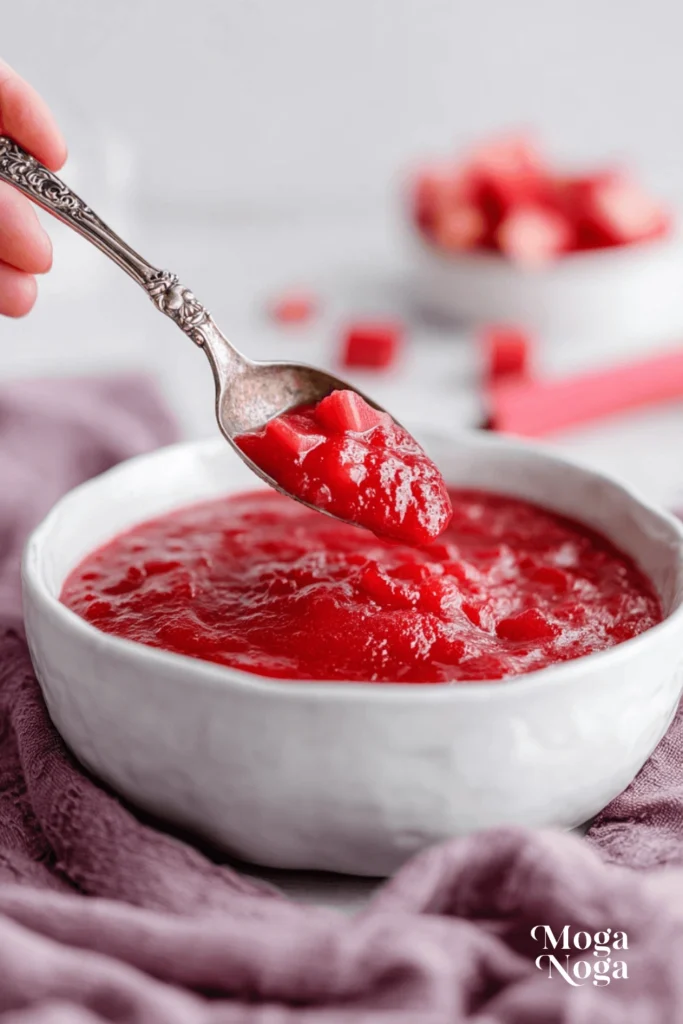
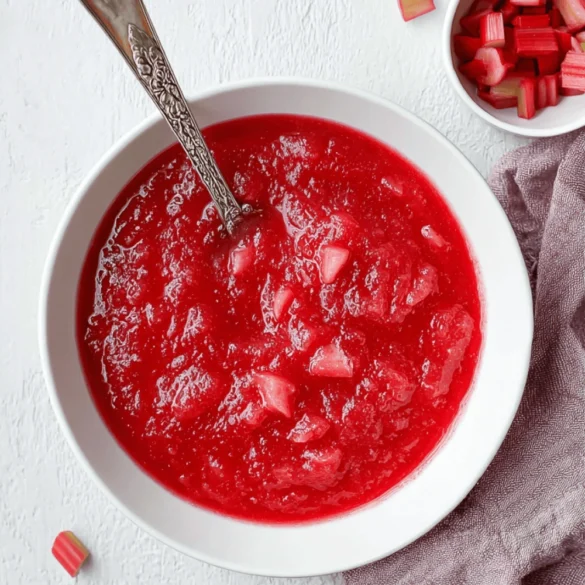
Absolutely. If you enjoy texture, leave it as is after simmering. If you want a smoother finish, you can mash it gently with a spoon or blend it briefly once cooled a bit. Both styles are delicious, just suited to different moods and uses.
Nutrition Information
This is a simple overview to help you picture what one serving may offer.
Per Serving
- Calories: About 80
- Protein: About 0.5 grams
- Carbohydrates: About 20 grams
- Sugar: About 16 grams
- Fat: About 0 grams
- Fiber: About 1.5 grams
Seasonal and Occasion Variations
One of the pleasures of rhubarb sauce is how easily it shifts with the seasons. The core recipe stays comforting and dependable, but a few thoughtful touches can help it feel perfectly suited to brunch tables, holiday desserts, or quiet afternoons when you want something bright and homemade.
Spring/Summer
- Strawberry garden version: Add sliced strawberries for a softer, sweeter profile that feels especially beautiful in spring and early summer breakfasts.
Fall
- Warm spice version: Stir in cinnamon and a hint of ginger for a deeper, cozier flavor that pairs especially well with waffles, cakes, and creamy puddings.
Winter
- Citrus vanilla version: Orange zest and vanilla create a mellow brightness that feels welcome during colder months when you want something sunny and fragrant.
Holiday Ideas
- Festive dessert topping: Serve rhubarb sauce over cheesecake, bread pudding, or baked custard when you want a fruit element that feels a little unexpected and elegant.
My Recipe Tips
Every time I make rhubarb sauce, I’m reminded how much beauty can come from a pot, a spoon, and a few ingredients that know exactly who they are. It is not complicated, but it rewards attention in a very honest way.
- Pro Insight: Let the sauce cool before judging the final texture. It thickens slightly as it rests, so what seems a touch loose on the stove often settles into something just right.
- Common Mistake to Avoid: Do not rush the sweetness. Adding too much sugar at the beginning can flatten the bright personality that makes rhubarb sauce so appealing in the first place.
- Flavor Enhancement Secret: A tiny splash of vanilla and a careful squeeze of lemon at the end can make the entire sauce taste more layered, vivid, and finished.
Conclusion
Rhubarb sauce proves that a small recipe can still leave a deep impression. It is bright, nostalgic, adaptable, and wonderfully easy to fold into breakfasts, desserts, and quiet little cravings in between.
Once you learn how to make it well, it starts to feel less like a seasonal extra and more like a secret weapon for bringing life to the table.
Keep a jar nearby, and you may find that rhubarb sauce becomes one of those simple pleasures you return to with real affection.
Ingredients
- 4 cups fresh rhubarb, chopped into 1-inch pieces
- 3/4 cup granulated sugar
- 1/4 cup water
- 1 tablespoon lemon juice
- 1 teaspoon vanilla extract
- 1 pinch salt
- 1/4 teaspoon ground cinnamon (optional)
Instructions
- Wash the rhubarb, trim the ends, and cut it into even pieces.
- Add the rhubarb, sugar, and water to a medium saucepan.
- Place the pan over medium heat and cook, stirring occasionally, until the rhubarb softens and begins to break down, about 10–15 minutes.
- Stir in the lemon juice, vanilla extract, salt, and optional cinnamon.
- Continue cooking for 2–3 more minutes, stirring gently, until the sauce reaches your desired consistency.
- Remove from the heat and let it cool slightly. Serve warm, or cool completely and store in the refrigerator.
