
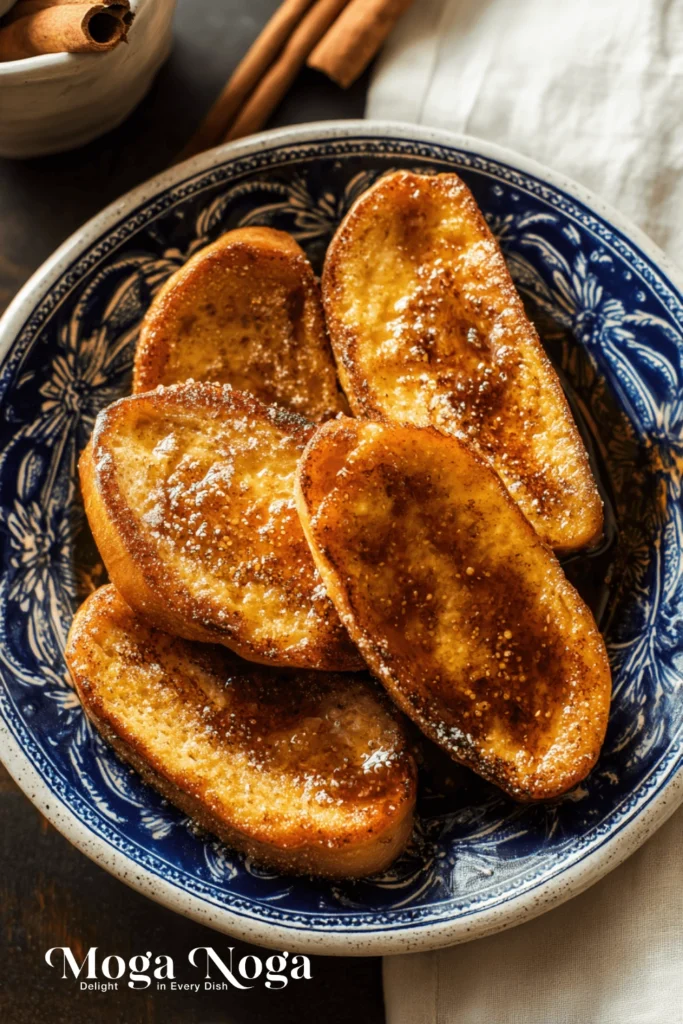
Torrejas slip into the kitchen like a sweet memory, warm with cinnamon, kissed by syrup, and impossible to forget. They turn humble bread into something soft, golden, and deeply comforting, the kind of treat that feels almost too good for how simple it is. One bite promises crisp edges, tender centers, and a little old-world magic that keeps you leaning in for more.
Table of Contents
Why You’ll Love This Recipe
There’s something quietly enchanting about Torrejas. They don’t rely on fancy ingredients or complicated techniques, yet they deliver the kind of comfort that lingers long after the plate is empty. This is the dessert you make when you want your kitchen to smell inviting, your table to feel generous, and everyone around you to ask for one more piece.
- Pure Comfort: Torrejas wrap simple pantry staples in warmth, sweetness, and spice, creating a dessert that feels soothing, familiar, and a little indulgent all at once.
- Budget-Friendly Beauty: One of the loveliest things about Torrejas is how effortlessly they transform day-old bread, eggs, milk, and sugar into something that tastes rich and special without costing much.
- Perfect for Sharing: These golden slices are made for family tables, slow weekends, and holiday mornings when people gather close and reach for seconds before the first batch is even gone.
- Easy Yet Impressive: Torrejas look and taste like a treat that took far more effort than they actually do, which makes them especially satisfying for beginner cooks and seasoned home bakers alike.
- Customizable Flavor: Whether you lean into cinnamon, citrus, vanilla, or syrup, Torrejas welcome small personal touches that make the finished dish feel like your own signature comfort food.
At their heart, Torrejas are proof that the most unforgettable desserts often begin with the simplest ingredients and a little care.
Detailed Ingredients and Instructions
Making Torrejas feels less like following a strict formula and more like stepping into a comforting ritual, one that fills the kitchen with sweetness and anticipation.
Ingredients Breakdown
A few everyday ingredients come together here to create the soft interior, golden crust, and fragrant finish that make Torrejas so irresistible.
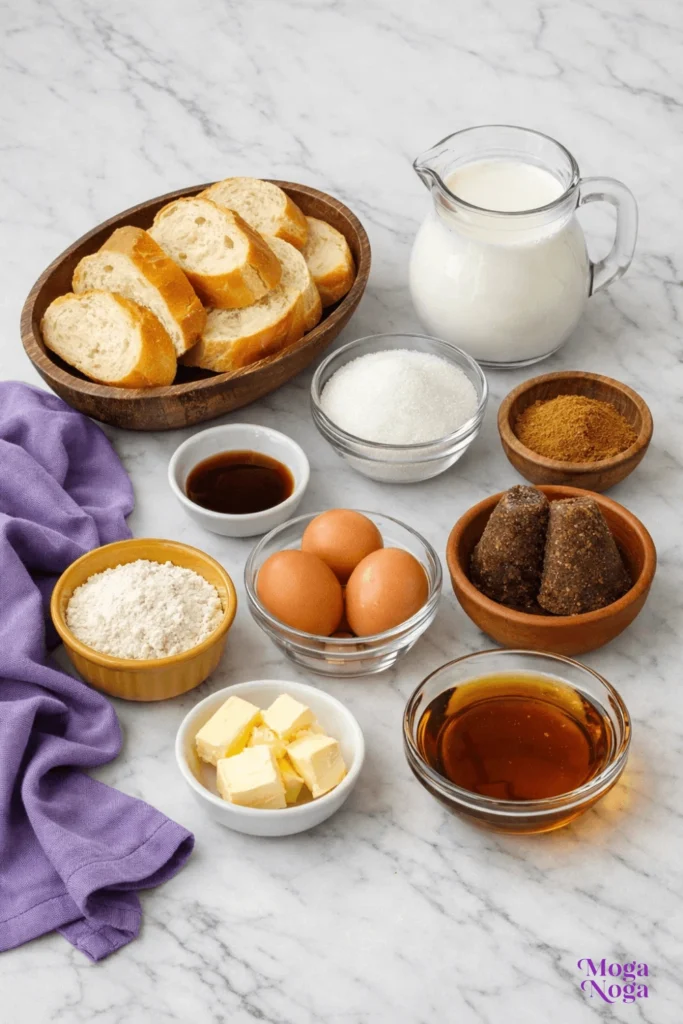
- Bread: Slightly stale bread works best because it absorbs the custard without falling apart, giving Torrejas that tender center with enough structure to hold their shape in the pan.
- Eggs: Eggs help bind everything together and create the rich coating that turns beautifully golden when fried, giving Torrejas their signature texture.
- Milk: Milk softens the bread and adds creamy body to the mixture, helping each piece become luscious instead of dry.
- Sugar: A touch of sugar sweetens the base and supports the caramelized notes that develop as the Torrejas cook.
- Cinnamon: Cinnamon brings warmth and a familiar dessert-like aroma that makes Torrejas feel cozy, nostalgic, and deeply inviting.
- Vanilla Extract: Vanilla rounds out the sweetness and adds a soft, fragrant depth that makes the flavor feel fuller and more polished.
- Lemon or Orange Zest: A little citrus zest brightens the richness and gives Torrejas a subtle sparkle that keeps each bite from feeling too heavy.
- Salt: Even a small pinch matters, because it balances the sweetness and helps the warm spice and dairy flavors stand out more clearly.
- Oil or Butter for Frying: This is what creates those delicate golden edges, the slight crispness outside, and the contrast that makes Torrejas so satisfying.
- Syrup or Honey: A finishing drizzle adds shine, sweetness, and that final touch of indulgence that makes Torrejas feel extra special on the plate.
Step-by-Step Instructions
The beauty of Torrejas is that each step builds texture and flavor in a very noticeable way, so even a simple process feels rewarding from the very beginning.
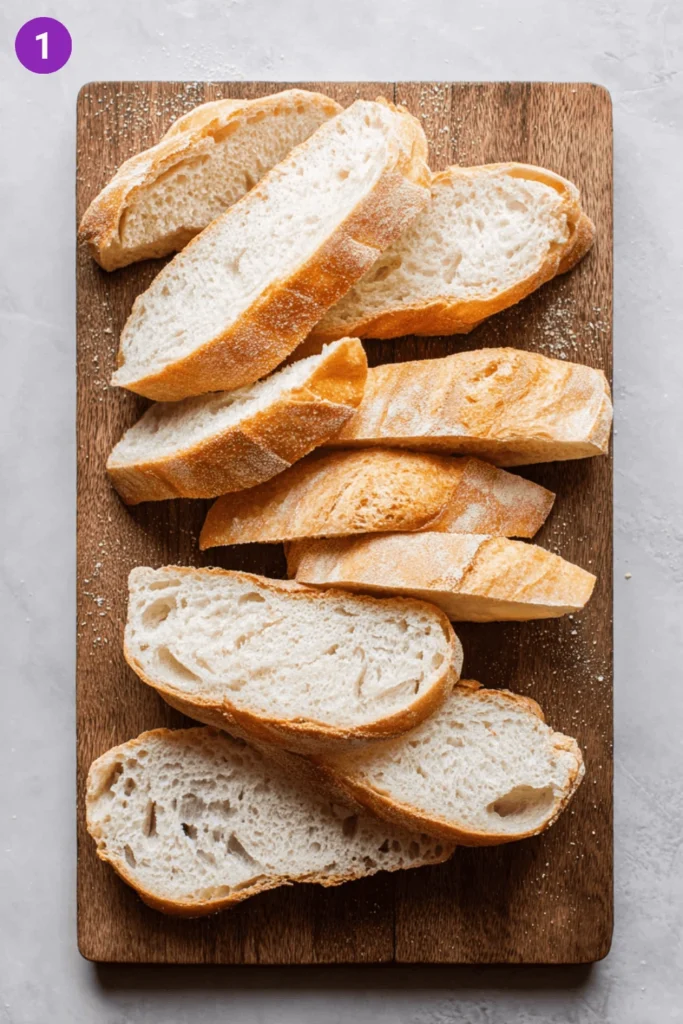
- Prepare the Bread: Slice the bread thick enough to hold its shape while still soaking up the custard. This matters because thin slices can break apart, while slightly thicker ones give Torrejas that ideal balance of softness and structure.
- Soak with Care: Dip or soak the bread just long enough to absorb the mixture without becoming soggy. This matters because properly soaked bread creates that creamy interior Torrejas are known for, while over-soaked slices can become too fragile to handle.
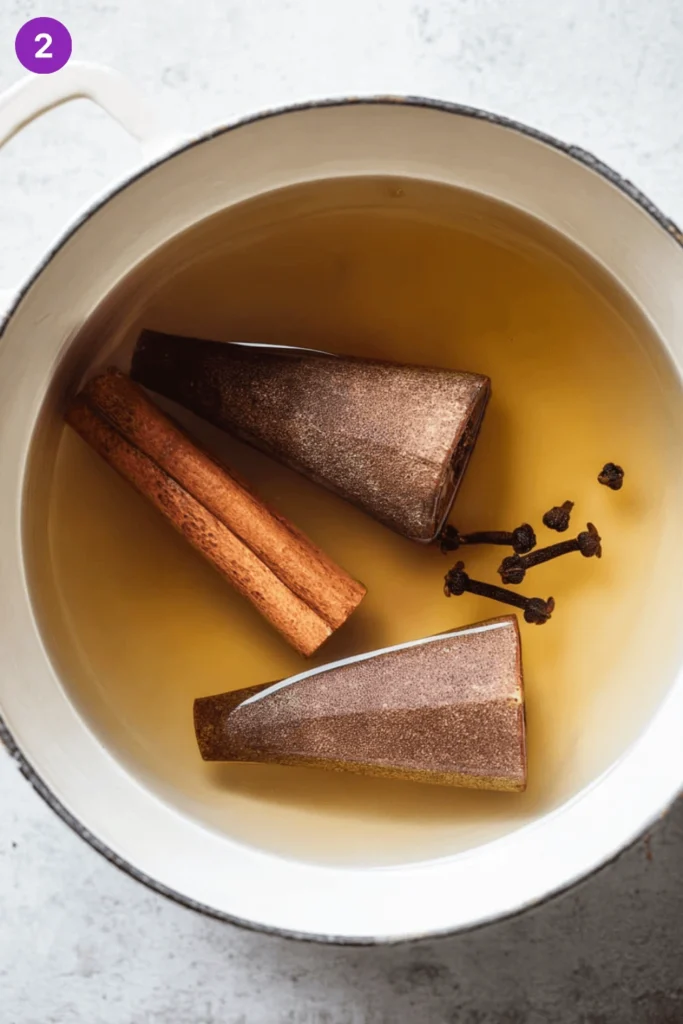
- Warm the Milk Mixture: Heat the milk gently with sugar, cinnamon, vanilla, and citrus zest until fragrant, then let it cool slightly. This step matters because it helps the flavors blend smoothly and infuse every bite of the Torrejas more evenly.
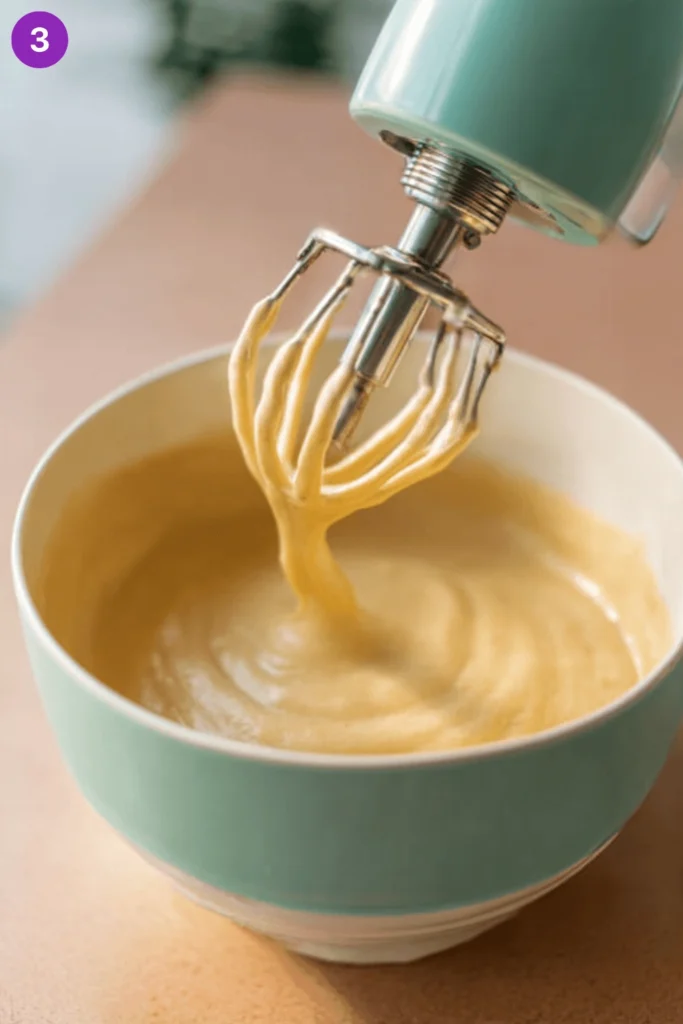
- Coat in Egg: Pass each soaked slice through beaten egg so the outside cooks into a delicate golden shell. This matters because the egg layer gives Torrejas their classic color and helps lock in the soft center.
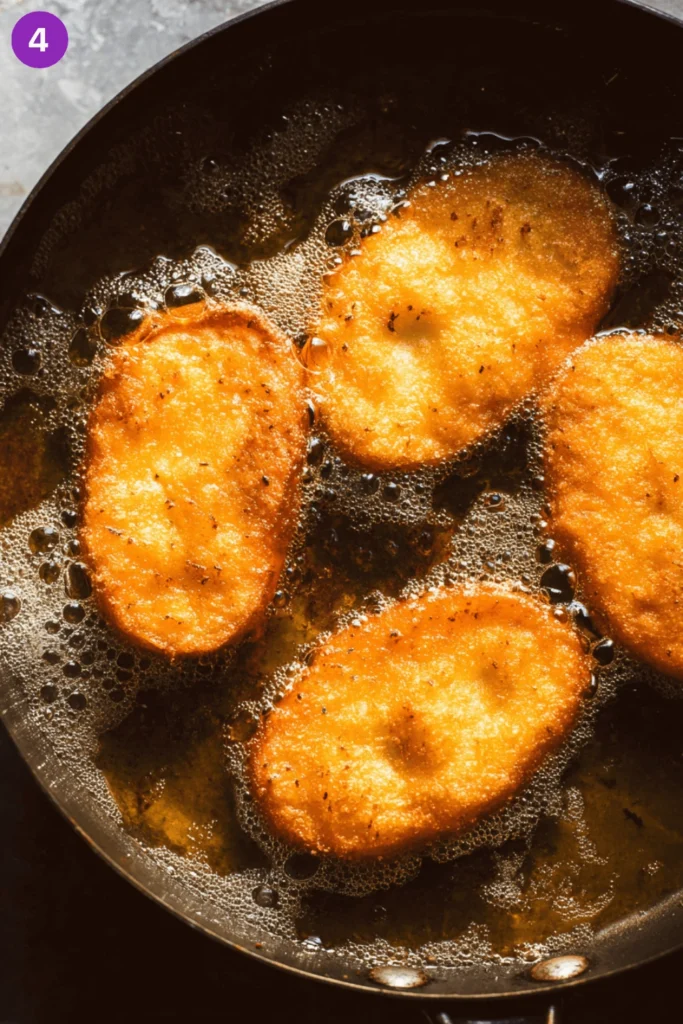
- Fry Until Golden: Cook the slices in hot oil or butter until both sides are evenly browned and lightly crisp. This matters because good frying creates the contrast that makes Torrejas so tempting: crisp on the outside, tender and almost custardy within.
Tips, Variations, and Storage Options
Once you’ve made Torrejas a time or two, they start to feel wonderfully intuitive. A few thoughtful adjustments can make the texture even better, help the flavor suit the moment, and ensure not a single delicious slice goes to waste.
Expert Tips
- Choose the Right Bread: Slightly dry, sturdy bread gives Torrejas the best texture because it soaks up the liquid without collapsing. Soft sandwich bread can work, but heartier loaves usually create a more satisfying bite.
- Control the Soak: Let the bread absorb enough liquid to become tender, but do not leave it sitting too long. Torrejas should feel full and soft, not fragile or waterlogged, before they hit the egg and pan.
- Keep the Heat Steady: Medium heat is your best friend here. If the pan is too hot, the outside of the Torrejas will brown too fast while the inside stays underdone. If the heat is too low, the slices can absorb excess oil and lose that beautiful light finish.
- Drain Briefly Before Serving: After frying, place the Torrejas on paper towels for a moment so any excess oil can be absorbed. This small step keeps the final texture cleaner, lighter, and more polished.
- Finish While Warm: Torrejas are especially lovely when drizzled with syrup, dusted with sugar, or served warm from the pan. The warmth helps the flavors bloom and gives each bite that fresh, irresistible softness.
Delicious Variations
- Cinnamon Sugar Finish: Instead of syrup alone, roll or dust the warm Torrejas with cinnamon sugar for a sweet coating that adds a little sparkle and extra texture.
- Honey and Citrus Version: Drizzle with honey and add a touch more orange or lemon zest for a brighter, more aromatic finish that feels fresh and elegant.
- Vanilla Cream Style: Serve Torrejas with a spoonful of lightly sweetened whipped cream or a silky cream sauce for a richer dessert experience.
- Spiced Holiday Twist: Add a pinch of nutmeg or clove to the milk mixture when you want Torrejas to feel even more festive and deeply cozy.
Storage Options
- Short-Term Storage: Store cooled Torrejas in an airtight container in the refrigerator for up to 3 days. Place parchment paper between layers if needed to help prevent sticking.
- Best Reheating Method: Reheat in a skillet over low heat or in the oven until warmed through. This helps Torrejas regain some of their outer texture better than microwaving alone.
- Freezing Option: Freeze individual slices in a single layer first, then transfer them to a freezer-safe container or bag. This makes it easy to reheat only what you need later.
- Make-Ahead Help: You can prepare the milk mixture ahead of time and slice the bread in advance, which makes assembling Torrejas feel easy and relaxed when it’s time to cook.
Equipment Needed
You don’t need a complicated setup to make Torrejas beautifully. In fact, part of their charm is how easily they come together with a few basic kitchen tools you probably already have nearby.
- Mixing Bowl: You’ll need at least one bowl for the egg mixture and another for soaking or holding ingredients. A medium bowl makes the process feel organized and easy to manage.
- Whisk or Fork: This helps blend the eggs smoothly and combine the infused milk mixture well, ensuring the coating on the Torrejas is even and consistent.
- Skillet or Frying Pan: A wide skillet gives Torrejas room to cook evenly without crowding. This is one of the most important tools because good surface contact creates that golden exterior.
- Spatula or Tongs: Use these to flip the slices gently and safely. Torrejas are delicate after soaking, so a steady hand and the right tool make a real difference.
- Microplane or Zester: If you’re using citrus zest, this tool gives you fine, fragrant shavings that melt beautifully into the mixture without adding bitterness.
With just a few simple tools and a little attention, Torrejas come together in a way that feels easy, warm, and deeply rewarding.
Related Recipes
If Torrejas speak your language, there’s a good chance you also love desserts and breakfasts that turn familiar ingredients into something memorable, fragrant, and generously comforting.
- Arroz con Leche: This creamy rice pudding shares the same soft warmth and cinnamon-kissed comfort that make Torrejas so inviting.
- Capirotada: A bread-based dessert with rich tradition and deep flavor, this is a natural next choice for anyone drawn to the nostalgic heart of Torrejas.
- French Toast: Though different in style, French toast offers that same beloved contrast of golden exterior and tender interior that Torrejas fans appreciate.
- Bread Pudding: This is another beautiful way to use leftover bread, with a soft, rich texture that echoes the comforting soul of Torrejas.
- Buñuelos: Crisp, sweet, and festive, buñuelos pair perfectly with the same family gatherings and celebratory meals where Torrejas often shine.
Pairing/Serving Suggestions
Torrejas are one of those treats that instantly create a mood. Set them on a plate while they’re still warm, let the sweet aroma rise, and suddenly the table feels slower, softer, and more inviting.
Drink Pairings
- Coffee: A hot cup of coffee pairs beautifully with Torrejas because its slight bitterness balances the sweetness and lets the cinnamon and vanilla stand out.
- Spiced Tea: Black tea or herbal tea with cinnamon or orange notes makes a gentle, aromatic companion that keeps the whole experience cozy.
- Hot Chocolate: For a richer treat, serve Torrejas with hot chocolate. The combination feels especially comforting on cooler mornings or festive evenings.
- Warm Milk: Simple and nostalgic, warm milk makes Torrejas feel even more homey and soothing.
Side Pairings
- Fresh Fruit: Berries, orange slices, or apple slices add brightness and contrast to the sweetness of Torrejas, making the plate feel fresher and more balanced.
- Yogurt or Soft Cream: A spoonful on the side adds coolness and creaminess, which works especially well when Torrejas are served warm.
Presentation Ideas
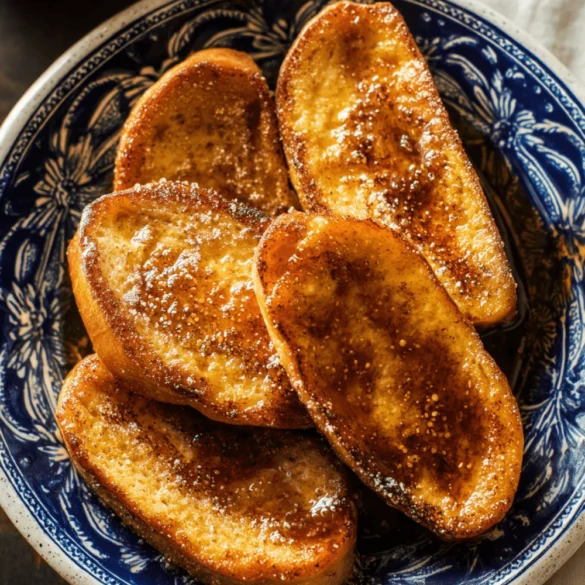
- Simple Powdered Sugar Finish: A light dusting of powdered sugar gives Torrejas a soft, elegant look that feels classic without taking attention away from their golden surface.
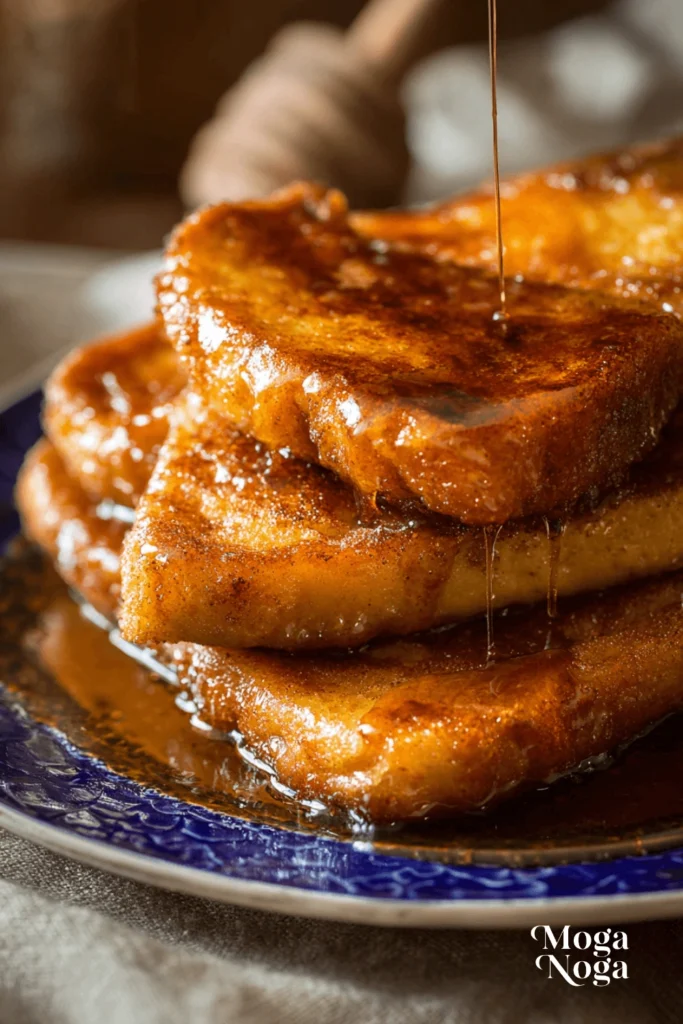
- Syrup-Drizzled Stack: Stack two or three Torrejas slightly off-center and drizzle with syrup just before serving for a plate that looks abundant and irresistible.
- Citrus Garnish: A little orange or lemon zest on top adds brightness, color, and a fresh visual touch that makes the dish feel extra thoughtful.
- Rustic Family-Style Platter: Arrange Torrejas on a large serving plate with fruit and a small bowl of honey or syrup in the center so everyone can serve themselves and linger at the table.
Frequently Asked Questions
Can Torrejas be made with fresh bread?
Yes, but slightly stale bread is usually better. Fresh bread can become too soft too quickly, while day-old bread gives Torrejas the structure they need to absorb flavor and still hold together beautifully.
What kind of bread works best for Torrejas?
A sturdy loaf with some body is ideal. Brioche, French bread, challah, or other thick-cut breads tend to work very well because they soak up the custard mixture without falling apart too easily.
Are Torrejas very sweet?
Torrejas are sweet, but the level can be adjusted quite easily. You can reduce the sugar in the milk mixture or go lighter on the syrup if you want a more balanced finish that still feels comforting.
Can I make Torrejas ahead of time?
Yes. Torrejas can be made ahead and reheated gently in a skillet or oven. They are at their absolute best fresh, but they still hold up nicely when prepared in advance for a brunch or gathering.
Do Torrejas need to be served warm?
Warm Torrejas are especially appealing because the inside stays soft and the outside feels more delicate and fragrant. That said, they can also be enjoyed at room temperature, especially if served with a little extra drizzle or dusting.
Can I use a non-dairy milk?
Yes, you can use a non-dairy milk if needed. Choose one with a mild flavor so it doesn’t overpower the cinnamon, vanilla, and citrus notes that make Torrejas so lovely.
Nutrition Information
These numbers are approximate and can vary depending on the bread, frying method, and sweet finish you use for your Torrejas.
Per Serving
- Calories: 240
- Protein: 6 g
- Carbohydrates: 30 g
- Sugar: 12 g
- Fat: 10 g
- Fiber: 2 g
Seasonal and Occasion Variations
One of the quiet strengths of Torrejas is how naturally they adapt to the season. With just a few small shifts, they can feel bright and breezy in warmer months or rich and deeply comforting during colder celebrations.
Spring/Summer
- Citrus Blossom Torrejas: Lean into orange or lemon zest and serve with fresh berries for a lighter, sunnier version that feels perfect for spring brunches and early summer weekends.
- Honey Fruit Torrejas: Top warm Torrejas with sliced peaches, strawberries, or cherries and a little honey for a fresh presentation that feels relaxed and abundant.
Fall
- Autumn Spice Torrejas: Add extra cinnamon with a pinch of nutmeg for a deeper, cozier flavor that fits beautifully with crisp air and slower mornings.
- Apple-Inspired Torrejas: Serve with sautéed apples or pear slices for a comforting fall plate that feels full of warmth and softness.
Winter
- Vanilla Cinnamon Torrejas: Keep the spice warm and generous, and serve them extra hot with syrup or cream for the kind of winter comfort people remember.
- Rich Holiday Morning Torrejas: Use a slightly richer bread and finish with a dusting of sugar to make Torrejas feel especially festive for cold-weather gatherings.
Holiday Ideas
- Family Brunch Centerpiece: Arrange Torrejas on a big platter for Christmas morning, Easter brunch, or a celebratory weekend breakfast where everyone can share from the same table.
- Dessert Table Addition: Serve smaller slices of Torrejas with a drizzle of honey or syrup as part of a holiday dessert spread when you want something nostalgic and crowd-pleasing.
My Recipe Tips
Every time I make Torrejas, I’m reminded that the smallest choices can turn a good batch into one that truly lingers in memory. The beauty is in the details, and once you notice them, the whole process becomes even more rewarding.
- Pro Insight: Let the infused milk cool slightly before soaking the bread. If it’s too hot, the bread can break down too quickly, and the texture of your Torrejas won’t be as balanced.
- Common Mistake to Avoid: Do not rush the frying process. If the pan is too hot, the outside darkens before the inside has time to set properly, and Torrejas lose their soft, creamy contrast.
- Flavor Enhancement Secret: A little citrus zest makes a big difference. It lifts the sweetness, sharpens the aroma, and gives Torrejas that subtle brightness that makes people pause after the first bite.
- Texture Reminder: Thick slices are almost always worth it. They create the lush center that gives Torrejas their signature appeal and keeps them from feeling flat or dry.
Conclusion
Torrejas are more than a sweet way to use up bread. They are warm, fragrant, golden, and deeply tied to the kind of cooking that makes people feel cared for.
They offer comfort without fuss, elegance without complication, and the kind of flavor that turns ordinary ingredients into something memorable. From their crisp edges to their soft centers, Torrejas deliver real pleasure in a way that feels timeless and generous.
Whether you’re making Torrejas for a quiet morning, a family brunch, or a nostalgic dessert that invites everyone back to the table, this is the kind of recipe that deserves to be made slowly, served warmly, and remembered fondly.
Ingredients
- 8 slices slightly stale bread
- 2 cups milk
- 1/4 cup sugar
- 1 teaspoon ground cinnamon
- 1 teaspoon vanilla extract
- 1 teaspoon lemon or orange zest
- 3 large eggs
- Pinch of salt
- Oil or butter, for frying
- Honey or syrup, for serving
Instructions
- In a saucepan, gently warm the milk with the sugar, cinnamon, vanilla, citrus zest, and salt. Stir until the sugar dissolves, then remove from the heat and let it cool slightly.
- Pour the milk mixture into a shallow dish.
- Soak each bread slice in the mixture until softened but not falling apart.
- In a separate bowl, beat the eggs well.
- Dip each soaked slice into the beaten eggs, coating both sides.
- Heat oil or butter in a skillet over medium heat.
- Fry the slices for 2 to 3 minutes per side, or until golden brown and lightly crisp.
- Transfer to a paper towel-lined plate.
- Serve warm with honey or syrup.
