
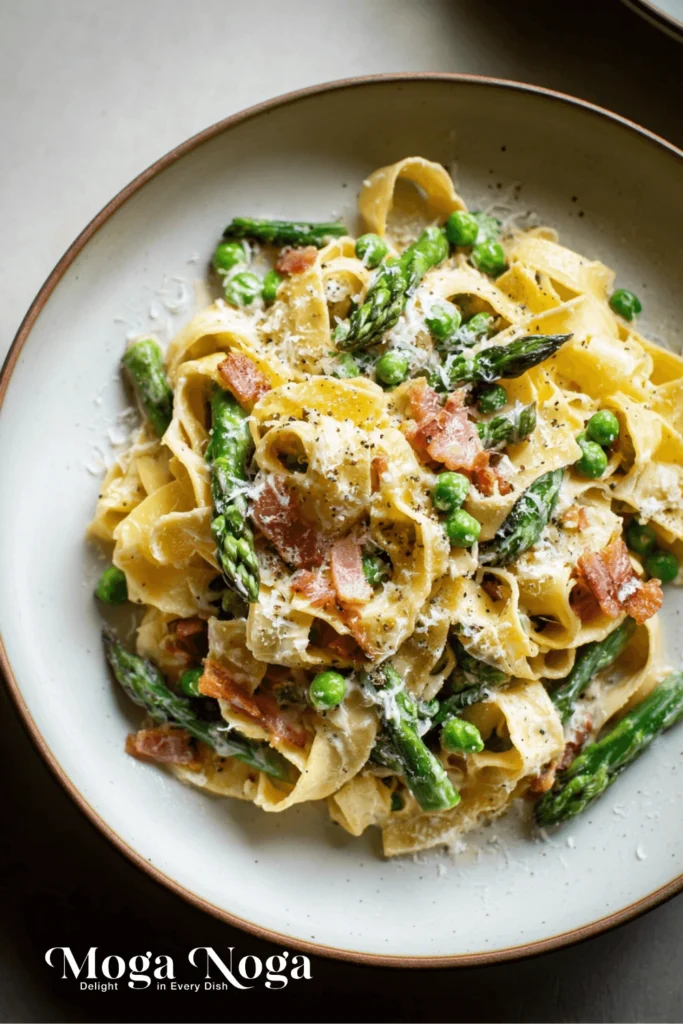
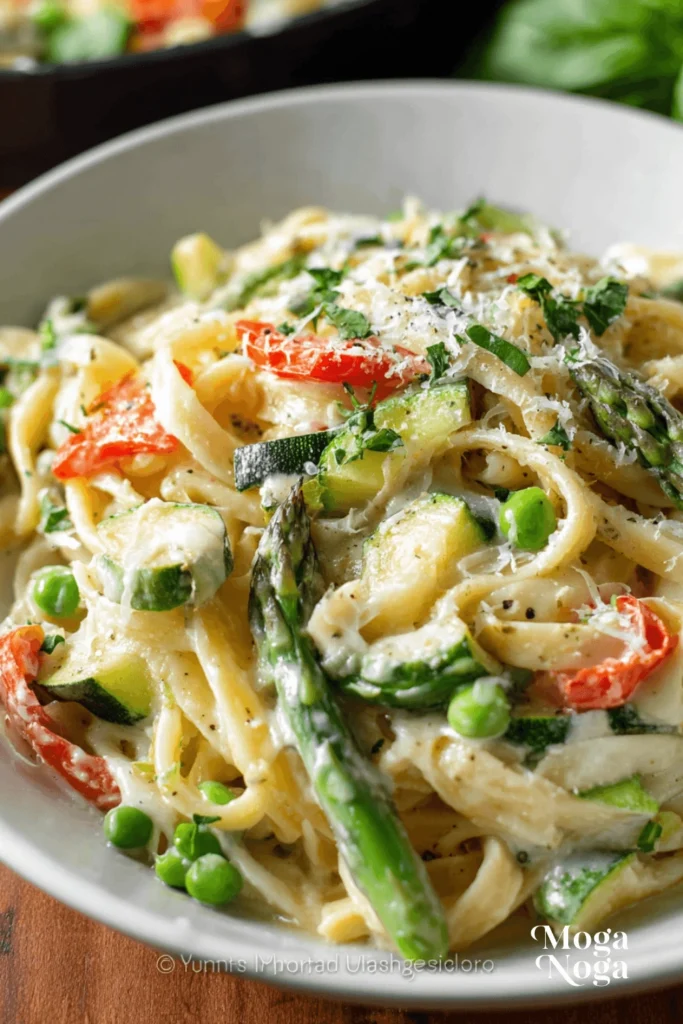
Creamy Pasta Primavera has a way of feeling bright and indulgent at the same time. It wraps tender pasta and colorful vegetables in a silky sauce that feels soft, fresh, and deeply comforting. This is the kind of meal that turns an ordinary dinner into something you want to linger over.
Table of Contents
Why You’ll Love This Recipe
Creamy Pasta Primavera is especially satisfying because it feels creamy and cozy without turning heavy. It brings together richness, freshness, color, and tenderness in a way that feels both comforting and vibrant.
- Fresh Yet Comforting: It brings together vibrant vegetables and a velvety sauce, so every bite feels lively while still delivering the warmth people crave from a pasta dinner.
- Easy Enough for Real Life: Even though it looks elegant and tastes layered, this is still a practical meal you can make on a weeknight without feeling like dinner has become a major production.
- Flexible and Forgiving: You can shift the vegetables based on the season, what is already in the refrigerator, or what looks best at the market, and the dish still feels complete.
- Family-Friendly Appeal: The creamy texture makes vegetables feel more inviting, which is part of why this pasta often wins over both vegetable lovers and people who usually need a little more convincing.
What makes Creamy Pasta Primavera especially memorable is that it does not force you to choose between comfort and freshness. It gives you both, and that is exactly why it earns a place in the kind of recipe rotation people genuinely rely on.
Detailed Ingredients and Instructions
This is the sort of dinner that begins simply and then slowly becomes something lovely as each ingredient joins the pan.
Ingredients Breakdown
A few thoughtful ingredients are all it takes to build a bowl of pasta that feels layered, creamy, and full of life.
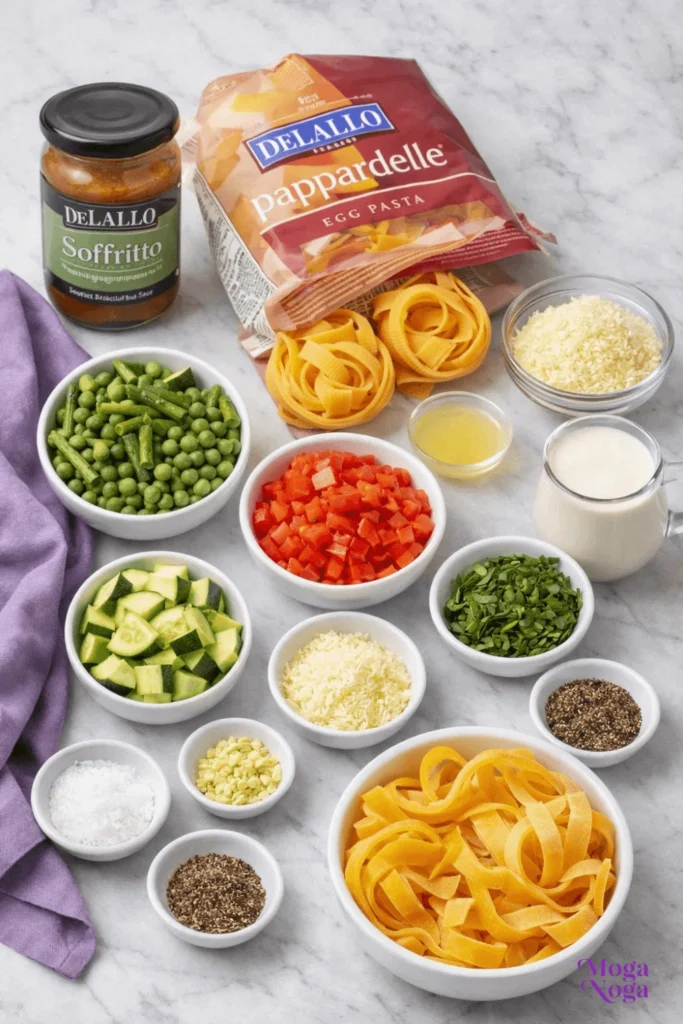
- Pasta: Short pasta shapes like penne, rigatoni, or farfalle work especially well because they catch the sauce in their curves and creases, making every forkful feel complete.
- Olive Oil: A small amount helps the vegetables soften gently and adds a subtle fruity base note that keeps the dish from feeling flat.
- Butter: This deepens the flavor and gives the sauce a rounder, more comforting quality that supports the cream beautifully.
- Garlic: Fresh garlic gives the dish aroma and warmth, creating the savory backbone that keeps the sauce from tasting overly mild.
- Yellow Onion or Shallot: This adds sweetness and depth, helping the sauce feel fuller and more developed.
- Zucchini: Tender and delicate, zucchini cooks quickly and blends naturally into the creamy texture of the finished dish.
- Bell Pepper: This brings gentle sweetness and color, making the pasta feel brighter and more visually inviting.
- Broccoli Florets: These add body, texture, and a fresh green note that keeps the dish feeling lively.
- Carrots: Thin slices or ribbons provide a subtle sweetness and a bit of tenderness that complements the cream sauce well.
- Peas: These add little bursts of sweetness and color, and they slip easily into the pasta without requiring much prep.
- Heavy Cream: This is what gives Creamy Pasta Primavera its silky, lush texture and turns the sautéed vegetables into a true sauce.
- Parmesan Cheese: Salty, nutty, and deeply savory, Parmesan helps thicken the sauce slightly while adding flavor that feels both rich and refined.
- Vegetable Broth or Pasta Water: A splash helps loosen and balance the sauce so it clings to the pasta instead of feeling overly thick.
- Italian Seasoning or Dried Herbs: A touch of dried herbs adds warmth and familiarity without overpowering the vegetables.
- Fresh Lemon Juice: A small squeeze at the end brightens the whole dish and prevents the cream sauce from feeling too heavy.
- Fresh Parsley or Basil: This final touch adds a fresh finish and makes the entire bowl look and taste more awake.
Step-by-Step Instructions
The beauty of this recipe comes from building it in calm, simple stages so every element keeps its own texture and flavor.
- Boil the Pasta: Cook the pasta in well-salted water until just al dente. This matters because the pasta will finish in the sauce, and starting with the right texture keeps it from becoming too soft by the time everything is combined.
- Prepare the Vegetables: Slice and chop the vegetables into fairly even pieces so they cook at a similar pace. This helps the dish feel polished and ensures you get balanced texture throughout the finished pasta.
- Cook the Firm Vegetables First: Add the broccoli, carrots, and bell pepper before the softer vegetables. This keeps everything from turning mushy and allows the vegetables to hold their shape in the final dish.
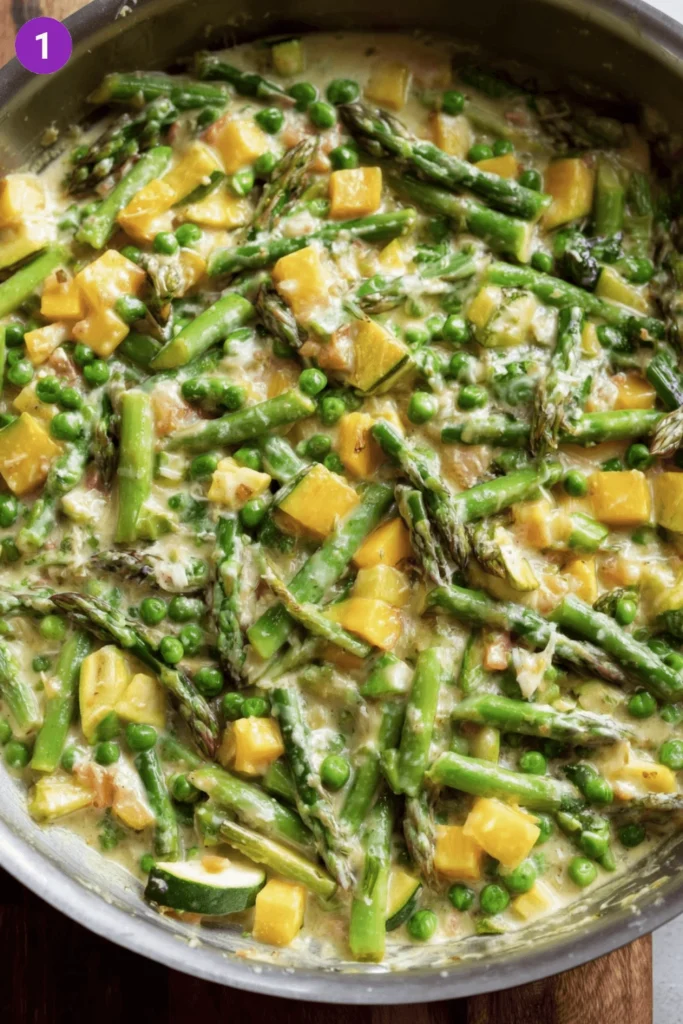
- Add the Tender Vegetables: Stir in the zucchini and peas once the firmer vegetables have started to soften. This matters because delicate vegetables need less time and stay more vibrant when added later.
- Build the Sauce: Pour in the cream and a splash of broth or pasta water, then add Parmesan and dried herbs. Let it simmer gently so the sauce thickens slightly and develops a silky consistency that coats rather than floods the pasta.
- Combine the Pasta and Sauce: Add the drained pasta directly to the skillet and toss until every piece is glossy and coated. This step matters because it helps the pasta absorb some of the sauce, giving the dish a more connected flavor.
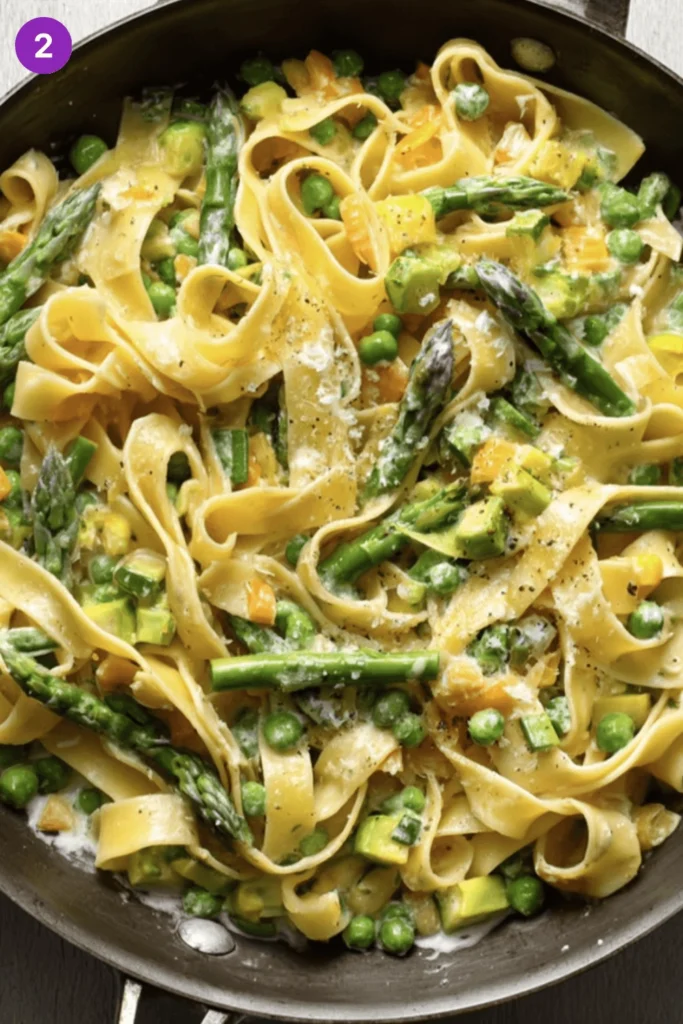
- Finish and Brighten: Season with salt, pepper, lemon juice, and fresh herbs just before serving. This final moment matters because it sharpens the flavors and keeps Creamy Pasta Primavera tasting fresh instead of overly rich.
Tips, Variations, and Storage Options
Once you make this pasta once, it becomes very easy to shape it around your preferences, your schedule, and whatever ingredients you have on hand.
Expert Tips
- Salt the Pasta Water Well: Properly seasoned pasta water gives the dish a stronger flavor from the beginning, which means the sauce will taste more complete in the end.
- Keep the Vegetables Slightly Crisp-Tender: A little bite makes the dish more appealing and prevents the cream sauce from feeling too soft overall.
- Use Freshly Grated Parmesan: It melts more smoothly into the sauce and gives a cleaner, richer flavor than pre-shredded versions.
- Reserve Pasta Water Before Draining: This gives you an easy way to adjust the texture of the sauce without diluting the flavor too much.
Delicious Variations
- Add Chicken: Sliced cooked chicken makes the dish heartier and turns it into an even more filling dinner.
- Include Mushrooms: Mushrooms add earthiness and deepen the savory flavor of the sauce.
- Make It Slightly Spicy: A pinch of red pepper flakes adds contrast and keeps the richness feeling lively.
- Try a Different Herb Finish: Basil makes the dish sweeter and softer, while parsley keeps it bright and clean.
Storage Options
- Refrigerator Storage: Store leftovers in an airtight container for up to three days. The flavors remain lovely, though the sauce may thicken as it chills.
- Reheating Method: Warm gently on the stove or in the microwave with a splash of milk, cream, or broth to loosen the sauce and restore its silky texture.
- Freezing Option: While it can be frozen, cream-based pasta is usually at its best when enjoyed fresh or refrigerated briefly, since the sauce may separate slightly after thawing.
Equipment Needed
One of the nicest things about Creamy Pasta Primavera is that it does not ask for anything elaborate. You do not need specialized tools or restaurant-level equipment to make it feel beautiful. A few dependable kitchen basics are more than enough to bring the whole dish together smoothly.
- Large Pot: This is essential for boiling the pasta properly and giving it enough room to cook evenly without sticking together.
- Colander: Draining the pasta quickly and efficiently helps preserve the ideal texture before it goes into the sauce.
- Large Skillet or Sauté Pan: A wide pan gives the vegetables enough space to cook without steaming too much, which helps them keep their color and character.
- Sharp Knife: Clean slicing makes prep easier and helps the vegetables cook at a more even pace.
- Cutting Board: A sturdy board keeps the preparation process organized and comfortable.
- Measuring Cups and Spoons: These help keep the cream, broth, and seasoning balanced so the sauce feels silky rather than too thin or too heavy.
With just these simple tools, Creamy Pasta Primavera feels surprisingly easy to pull off, which is part of what makes it such a comforting recipe to return to again and again.
Related Recipes
If Creamy Pasta Primavera speaks to the part of you that loves comfort with freshness woven in, there are several other recipes that offer a similar kind of pleasure in slightly different ways.
- Lemon Ricotta Pasta: This is a brighter, softer option with a creamy finish and citrusy lift that feels especially lovely when you want something delicate and elegant.
- Garlic Butter Vegetable Pasta: If you enjoy the vegetable-forward personality of this dish but want something a little lighter and less creamy, this is a beautiful direction to take.
- Creamy Chicken Fajita Pasta: This brings the same creamy comfort, but with a smokier, bolder personality thanks to tender chicken, peppers, and fajita-inspired flavor.
- Mushroom Cream Pasta: Earthy and cozy, this is a wonderful alternative for evenings when you want something a little moodier and more savory.
- Roasted Vegetable Pasta Bake: This gives you similar ingredients in a more oven-centered form, with extra golden edges and a slightly heartier feel.
Recipes like these remind you that once you find a flavor balance you love, there are so many comforting ways to explore it without losing the feeling that drew you in the first place.
Pairing/Serving Suggestions
Creamy Pasta Primavera already feels generous on its own, but the right pairings can make the entire meal feel more intentional, relaxed, and memorable. Because the dish carries both richness and freshness, it welcomes companions that either brighten the plate or lean gently into its comforting side.
Drink Pairings
- Sparkling Water with Lemon: This keeps the meal feeling fresh and light while giving the palate a clean reset between bites.
- Iced Herbal Tea: A mild tea with citrus or mint notes works beautifully here, especially if you want something cooling and gently aromatic.
- Light White Wine: A crisp white wine pairs well with the creamy sauce because it adds brightness and helps the vegetables feel even more vibrant.
Side Pairings
- Warm Garlic Bread: This adds a toasty, buttery contrast that feels deeply satisfying beside the silky pasta.
- Simple Green Salad: A lightly dressed salad with crisp greens gives the plate a refreshing contrast and prevents the meal from feeling too heavy.
- Roasted Asparagus: This side echoes the springlike freshness of Creamy Pasta Primavera while adding a slightly deeper roasted flavor.
Presentation Ideas
- Serve in Shallow Bowls: This lets the sauce settle naturally around the pasta and vegetables, making the dish look abundant and inviting.
- Finish with Extra Parmesan and Herbs: A final sprinkle of cheese and green herbs adds visual contrast and makes the dish look freshly completed.
- Add a Lemon Wedge on the Side: This small touch feels thoughtful and lets each person brighten the dish to their own taste.
The overall experience of serving Creamy Pasta Primavera becomes even more appealing when the details around it feel just as easy and welcoming as the pasta itself.
Frequently Asked Questions
Can I use frozen vegetables for Creamy Pasta Primavera?
Yes, you can. Fresh vegetables tend to give the dish a slightly brighter texture and appearance, but frozen vegetables are a very practical option. The key is not to overcook them. Add them at the right stage and cook just until heated through and tender so the pasta still feels lively and balanced.
What type of pasta works best for this recipe?
Short pasta shapes usually work best because they hold the sauce well and mix beautifully with the vegetables. Penne, rigatoni, fusilli, and farfalle are all excellent choices. Long pasta can work too, but shorter shapes often make the dish feel more cohesive and easier to serve.
Can I make Creamy Pasta Primavera ahead of time?
It is best served fresh, but you can prepare parts of it ahead. Chopping the vegetables and grating the cheese earlier in the day can save time. If you fully make the dish in advance, the sauce may thicken as it sits, so reheating with a splash of liquid helps bring it back to life.
Can I add protein to this recipe?
Absolutely. Chicken, shrimp, or even white beans can work very well with the creamy vegetable base. The recipe is flexible enough that you can make it more substantial without losing the fresh, comforting character that makes it special.
Nutrition Information
Creamy Pasta Primavera offers a satisfying balance of comfort and color, and the nutrition reflects that same sense of generosity.
Per Serving
- Calories: 520
- Protein: 15 g
- Carbohydrates: 54 g
- Sugar: 8 g
- Fat: 27 g
- Fiber: 6 g
Seasonal and Occasion Variations
One of the reasons Creamy Pasta Primavera stays so appealing is that it adapts beautifully. The creamy base gives you something dependable, while the vegetables and finishing touches can shift with the season, the mood, or the kind of meal you want to create.
Spring/Summer
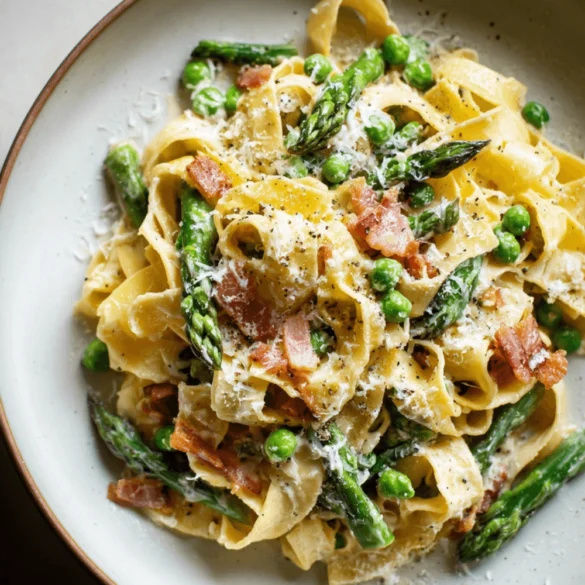
- Garden-Fresh Primavera: Use asparagus, peas, zucchini, and tender spinach for a version that feels especially light, green, and full of spring energy.
- Lemon Herb Variation: Add extra lemon zest and fresh basil for a brighter finish that makes the dish feel perfect for warm evenings and open-window dinners.
Fall
- Autumn Harvest Version: Swap in mushrooms, roasted butternut squash, and kale for a deeper, slightly sweeter variation that feels earthy and cozy.
- Parmesan Sage Twist: A little fresh sage adds warmth and makes the creamy sauce feel especially suited to cooler weather.
Winter
- Comfort Bowl Primavera: Use broccoli, carrots, and cauliflower with a slightly richer sauce for a heartier version that fits colder nights beautifully.
- Roasted Vegetable Version: Roasting the vegetables before adding them to the sauce creates more depth and gives the pasta a fuller, more winter-ready character.
Holiday Ideas
- Dinner Party Primavera: Finish the dish with extra Parmesan, fresh herbs, and a touch of lemon zest for a version that feels polished enough for guests.
- Celebration Table Side Dish: Serve smaller portions alongside roasted chicken or baked salmon when you want a creamy pasta element that still feels colorful and elegant.
What makes these variations so rewarding is that they never take away from the soul of the dish. Creamy Pasta Primavera remains recognizable and comforting, even as it changes with the season around it.
My Recipe Tips
After making versions of this kind of pasta again and again, a few quiet patterns begin to stand out. The best bowls are rarely the ones overloaded with ingredients or pushed too far. They are the ones where each part is allowed to keep a little of its own personality.
- Pro Insight: Keep the vegetables distinct instead of cooking them until they all feel the same. Creamy Pasta Primavera is at its best when the broccoli still has life, the zucchini stays tender, and the peppers keep a bit of sweetness and shape.
- Common Mistake to Avoid: Do not let the sauce boil too hard after adding the cream and cheese. Gentle heat creates a smoother finish, while aggressive heat can make the sauce feel too thick or slightly grainy.
- Flavor Enhancement Secret: A final squeeze of lemon and a handful of fresh herbs right before serving can completely wake up the dish. That little contrast is what makes the cream sauce feel elegant instead of overly rich.
There is a softness to this recipe, but there is also structure. When you let both exist together, the final result feels much more memorable.
Conclusion
Creamy Pasta Primavera is the kind of dinner that proves comfort does not have to be heavy to feel deeply satisfying.
It brings together silky sauce, tender pasta, and colorful vegetables in a way that feels generous, inviting, and easy to love.
When you want a meal that looks beautiful, tastes comforting, and still carries a fresh, lively spirit, this is exactly the kind of recipe worth keeping close.
Ingredients
- 12 ounces penne, rigatoni, or farfalle pasta
- 1 tablespoon olive oil
- 2 tablespoons butter
- 1 small yellow onion, finely sliced
- 3 garlic cloves, minced
- 1 small zucchini, sliced into half-moons
- 1 red bell pepper, thinly sliced
- 2 cups small broccoli florets
- 1 large carrot, peeled into thin ribbons or thinly sliced
- 1 cup peas, fresh or frozen
- 1 1/4 cups heavy cream
- 3/4 cup freshly grated Parmesan cheese, plus more for serving
- 1/3 cup vegetable broth or reserved pasta water, plus more if needed
- 1 teaspoon Italian seasoning
- 1/2 teaspoon salt, plus more for pasta water
- 1/2 teaspoon black pepper
- 1 tablespoon fresh lemon juice
- 2 tablespoons chopped fresh parsley or basil
Instructions
- Bring a large pot of salted water to a boil. Cook the pasta until al dente. Reserve 1/2 cup pasta water, then drain.
- Heat olive oil and butter in a large skillet over medium heat. Add the onion and cook for 2 to 3 minutes until softened. Stir in the garlic and cook for 30 seconds.
- Add the broccoli, carrot, and bell pepper. Cook for 4 to 5 minutes, stirring often, until they begin to soften.
- Add the zucchini and peas. Cook for 2 to 3 minutes more, until tender-crisp.
- Pour in the heavy cream and broth or pasta water. Stir in the Italian seasoning, salt, black pepper, and Parmesan. Simmer gently for 2 to 4 minutes until slightly thickened.
- Add the cooked pasta and toss until well coated. Add a splash of reserved pasta water if needed.
- Stir in the lemon juice and fresh parsley or basil. Taste and adjust seasoning.
- Serve warm with extra Parmesan and herbs on top.
